

A homeowner off Live Oak Drive called us after her kitchen flooded from a dishwasher supply line failure last May. She’d already called her brother-in-law, who was a general contractor, because he’d remodeled her bathroom two years earlier and done excellent work. He showed up, looked at the situation, and told her honestly that this wasn’t his specialty. He didn’t own industrial drying equipment. He didn’t have the moisture meters needed to assess hidden damage. He wasn’t set up to coordinate the specific insurance documentation her claim would need. He recommended she call a restoration contractor instead and told her he’d happily handle the rebuild work once the drying and mitigation were complete. His honesty saved her a difficult situation, but it raised the question most Freeport property owners don’t think about until they’re in it: what actually separates a general contractor from a restoration contractor, and when does the distinction matter?
What a General Contractor Actually Does
A general contractor is a construction professional licensed to coordinate and execute construction projects, from new builds through remodeling and additions. The scope is broad, the training is construction-focused, and the typical project timeline runs weeks to months with planned scheduling.
The specific scope of general contractor work:
- New construction including custom homes and additions
- Remodeling projects for kitchens, bathrooms, basements, and other interior spaces
- Exterior projects including siding, windows, decks, and outdoor living spaces
- Structural work for load-bearing modifications, foundation work, and framing changes
- Interior finish work including flooring, cabinetry, trim, and painting
- Trade coordination managing subcontractors across electrical, plumbing, HVAC, and other specialties
- Permit coordination for projects requiring municipal approval
- Scheduled timeline execution with planned start and completion dates
For Freeport homeowners planning a kitchen remodel, finishing a basement, adding a sunroom, or similar discretionary construction projects, a qualified general contractor is the appropriate choice. The expertise, scope, and work style match the project.
General contractors typically carry construction licensing, general liability insurance, and workers compensation at appropriate levels for construction work. They may hold specialty certifications in specific areas like custom cabinetry or kitchen and bath design, but their core credential is the general contractor license itself.
What a Restoration Contractor Actually Does
A restoration contractor is a specialist in responding to property damage events and bringing damaged properties back to pre-loss condition. The scope is specific, the training includes damage-specialty certifications, and the typical project timeline runs from immediate emergency response through multi-week recovery.
The specific scope of restoration contractor work:
- Emergency response typically available 24/7 for water, fire, storm, and other damage events
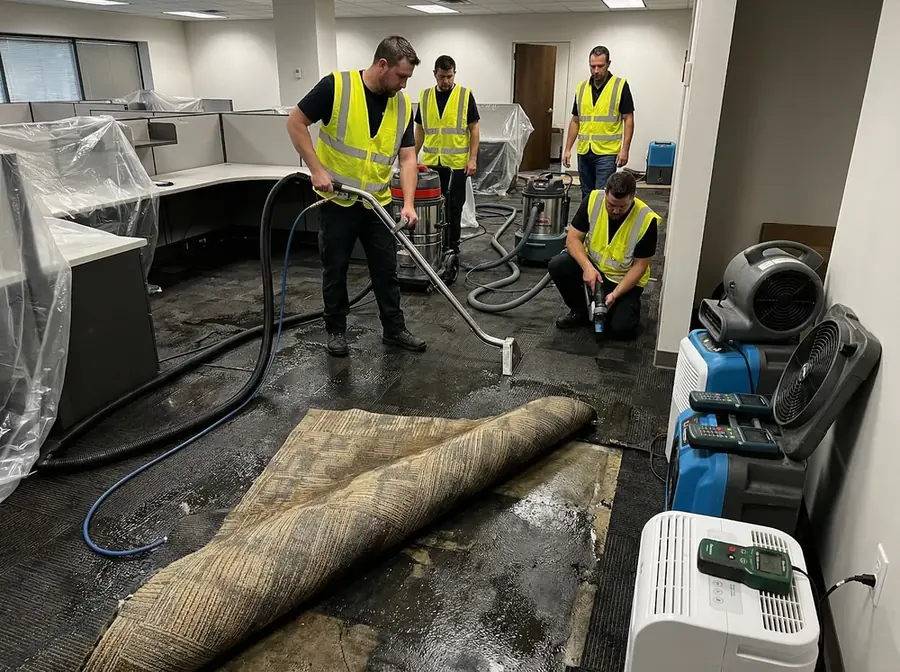
- Water mitigation using industrial extraction and drying equipment to prevent further damage
- Fire and smoke restoration including specialized cleaning and deodorization
- Mold remediation following specific containment and treatment protocols
- Storm damage response including emergency board-up and tarping
- Biohazard cleanup for situations requiring specialized handling
- Insurance claim coordination with documentation practices matching carrier requirements
- Reconstruction of damaged areas back to pre-loss condition
- Content restoration for personal property affected by damage events
For Freeport property owners dealing with any damage event, qualified restoration contractors bring capabilities general contractors typically don’t have, particularly in the mitigation phase. The industrial equipment required for proper water damage response, the IICRC certifications for specific damage categories, and the insurance claim documentation experience represent genuine specialization beyond general construction competence.
Restoration contractors typically carry construction licensing plus IICRC certifications in applicable categories (water damage restoration, fire and smoke restoration, applied structural drying, mold remediation, etc.), general liability insurance, workers compensation, and professional liability coverage appropriate to the specialty work.
The Specific Dimensions Where the Two Differ
Beyond general scope descriptions, several specific dimensions produce meaningful differences between general contractors and restoration contractors.
The specific differentiators:
- Response timing where restoration contractors typically respond within hours of initial contact while general contractors operate on scheduled business timelines
- Equipment where restoration contractors own or access industrial drying equipment, moisture meters, thermal imaging, HEPA filtration, and other specialty tools that general contractors typically don’t have
- Training where restoration work requires IICRC certifications in specific damage categories while general contracting requires general construction competence
- Documentation practices where restoration contractors produce claim-grade documentation including moisture readings, daily drying logs, and before-after photography while general contractors typically produce construction progress documentation
- Insurance coordination where restoration contractors work with insurance adjusters routinely while general contractors typically bill clients directly for remodeling work
- Scope sequencing where restoration contractors handle mitigation and reconstruction phases together while general contractors typically start with planned construction scope
- Material handling where restoration contractors deal with damaged materials requiring specific disposal protocols while general contractors handle new construction materials
- Health and safety protocols where restoration contractors have specific protocols for mold, biohazard, and contamination situations
For most property damage situations, these differences matter significantly for outcomes. The equipment alone represents meaningful capability. Industrial dehumidifiers running continuously for days produce drying outcomes that fans and dehumidifiers from a hardware store simply can’t match.
When Each Type Actually Fits Your Situation
Understanding the differences helps Freeport property owners match their specific situation to the right contractor type.
A general contractor is typically appropriate when:
- Planning a remodeling project without emergency timing
- Adding to an existing structure
- Finishing new spaces that weren’t previously developed
- Executing scheduled construction improvements
- Working with discretionary budget rather than insurance claim funding
- Projects where no mitigation phase applies
A restoration contractor is typically appropriate when:
- Dealing with any sudden water event including leaks, floods, or appliance failures
- Responding to fire, smoke, or heat damage
- Addressing storm damage from tropical weather or severe weather events
- Discovering mold conditions that require professional remediation
- Managing biohazard situations
- Filing insurance claims for property damage events
- Any situation requiring 24/7 emergency response
For situations where both phases apply (damage requiring mitigation followed by reconstruction), working with a company capable of both phases often produces cleaner project continuity than fragmenting the work between a restoration contractor for mitigation and a general contractor for reconstruction. Companies positioned as “roofing and restoration” or similar often have this combined capability.
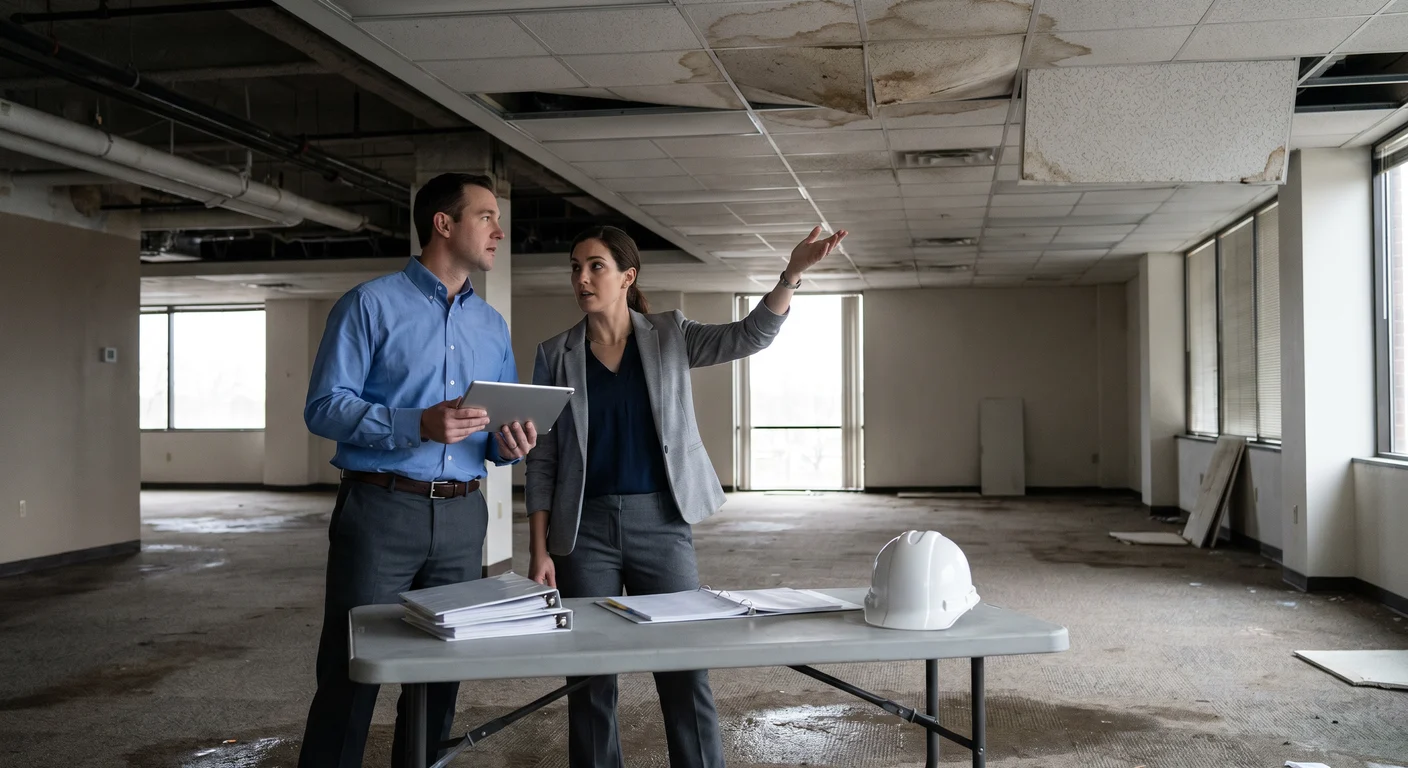
For the Live Oak Drive homeowner, her situation genuinely required restoration contractor capabilities for the mitigation phase. Her brother-in-law could have handled the reconstruction after mitigation was complete, but trying to use his general contractor skills for the water damage response itself would have produced significantly worse outcomes.
What to Verify Before Hiring Either Type
Both contractor types benefit from the same credential verification practices, though the specific credentials to confirm differ by category.
For general contractors, verify:
- Current state contractor licensing in Florida with the specific category appropriate to your project
- General liability insurance at appropriate limits
- Workers compensation coverage
- Local business history and references from completed projects
- Written proposals with detailed scope and pricing
- Payment schedules structured appropriately for the project type
For restoration contractors, verify:
- IICRC certification in categories applicable to your damage type (water, fire, mold, etc.)
- State contractor licensing where applicable to the reconstruction scope
- General liability and professional liability insurance
- Workers compensation coverage
- Experience with major Florida insurance carriers
- Local operating history including response during past tropical weather events
- 24/7 emergency response capability
- Documentation practices supporting insurance claims
For Freeport property owners, this credential verification typically takes 20 to 30 minutes and consistently produces better outcomes than contractor selection based on availability or price alone. The modest time investment pays back significantly across the project.
For storm damage response specifically, Panhandle homeowners should prioritize restoration contractors with demonstrated response during past named storms rather than operations without that track record.
The Distinction That Actually Shapes Outcomes
General contractors and restoration contractors are both legitimate construction professionals with distinct expertise, equipment, and typical project types. Freeport property owners facing damage events, remodeling plans, or anything in between benefit from matching the specific situation to the appropriate contractor type rather than defaulting to whoever they’ve worked with before. The Live Oak Drive homeowner’s brother-in-law understood the distinction well enough to decline work outside his specialty, which protected both the property and the relationship. Property owners who recognize the general contractor vs restoration contractor distinction before they’re standing in a damaged kitchen at 11 p.m. make decisions that produce meaningfully better outcomes than those who treat all construction professionals as interchangeable. The specific choice matters more than most property owners realize until they’re in a situation where the wrong choice would have made things worse.
Get the Right Contractor for Your Freeport Property Situation
The team at Truvorne Roofing & Restoration is ready to help. Contact us today to discuss your specific Freeport, FL property situation and get professional response from a team with both restoration contractor emergency capability and the construction competence to handle reconstruction through completion.