

The property owner who lost the most money on her water damage claim last spring wasn’t the one with the worst damage. She was the one whose documentation was thinnest. Her policy was solid. Her damage was straightforward. Her adjuster was reasonable. But when the claim moved into the scope-and-scoping phase and she couldn’t produce documentation of her property’s baseline condition, receipts for the improvements she’d made over the years, or even a complete inventory of her personal property, the settlement she received came in significantly below what a well-documented claim would have supported. What documents to save for an insurance claim isn’t just an administrative question. It’s the difference between claims that settle at their true value and claims that leave money on the table.
The Documents to Have Before Anything Bad Ever Happens
The most important insurance claim documentation is the documentation you gather before you need it. Once a loss event occurs, you can’t go back and create baseline evidence that didn’t exist. Proactive documentation matters more than most property owners realize.
The documents worth having on file at all times:
- Complete current insurance policy including declarations page, endorsements, and any riders or specific coverage provisions
- Understanding of your specific deductibles for various coverage types including hurricane, wind, and standard perils
- Home inventory with photographs of every room from multiple angles, ideally updated annually
- Video walkthrough of the entire property including exterior, interior, and any outbuildings, with narration describing significant items
- Baseline exterior photos showing the roof, siding, gutters, and general property condition
- Receipts for major improvements including roof replacements, HVAC installations, remodeling projects, and any capital improvements
- Warranty documentation for major systems and components
- Appraisals for jewelry, art, collectibles, or other high-value personal property
- Professional inspection reports from any recent property assessments
For Freeport property owners, the annual update to this documentation is worth building into a specific calendar reminder. Storing everything in cloud-based storage that would remain accessible if the property itself were damaged is worth the small subscription cost. Local hard copies alone can be lost in the same event that produces the claim.
What to Document in the First Hours and Days After a Loss
The window immediately after a loss event is when documentation quality matters most and when it’s hardest to think clearly about creating it. Understanding what to capture during this period helps property owners produce the evidence their claim will need.
The documentation to gather in the first 24 to 72 hours:
- Photographs and video of all visible damage from multiple angles, capturing overview shots and close-ups of specific damage
- Documentation of the water source, fire source, or storm event that caused the damage, showing the physical origin
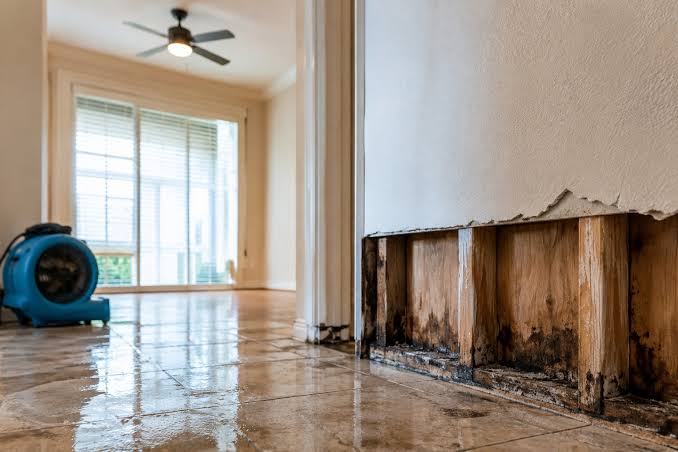
- Water levels on walls marked and photographed to establish the high point of any flooding
- Damaged contents photographed in place before any cleanup or movement
- Time and date documentation using phone metadata that automatically captures when photos were taken
- Weather documentation for any storm-related loss, including screen captures of weather reports, radar images, or news coverage of the event
- Witness statements if any neighbors, tenants, or others observed the damage or the causative event
- Fire department report if applicable, obtained from the responding fire department once available
- Police report if applicable to the loss circumstances
- Utility company communication documenting any service issues connected to the loss
For water damage restoration situations, documenting the water source is particularly important because insurance carriers evaluate coverage differently based on whether the water came from a sudden covered event versus gradual failure. Photos showing a specific burst pipe or ruptured supply line support coverage differently than general water damage without documented source.
The Contact and Communication Records That Matter
Insurance claims involve extensive communication between the property owner, the carrier, the adjuster, and any contractors involved in restoration. Documenting this communication protects the property owner if disputes develop later.
The specific records to maintain:
- Every phone call log with date, time, person spoken to, and summary of what was discussed
- All email correspondence with the carrier, adjuster, and contractors, preserved in a searchable format
- Text messages with any restoration company or insurance representative, saved to a location that won’t be lost when your phone updates
- Written scope documents produced by the adjuster or contractor
- Estimates and quotes from restoration contractors, in complete written form
- Photographs of any physical documents provided to you in person, since digital copies are easier to preserve than paper originals
- Notes from any in-person meetings with adjusters or contractors, written up immediately afterward while details are fresh
- Recording of substantive conversations where legal in your state, with disclosure to all parties
For Florida property owners, this communication documentation matters particularly because the state’s insurance environment has become adversarial in ways that produce more disputes than in less restrictive markets. Complete communication records support the property owner’s position when settlement disagreements arise.
What to Save During the Restoration Work Itself
The restoration process produces its own documentation that supports the ongoing claim and any subsequent disputes. Property owners working with a qualified restoration company will receive much of this documentation as standard practice, but understanding what should be included helps property owners recognize when documentation is complete.
The specific documentation from the restoration phase:
- Initial assessment reports with moisture readings, thermal imaging results, and scope of identified damage
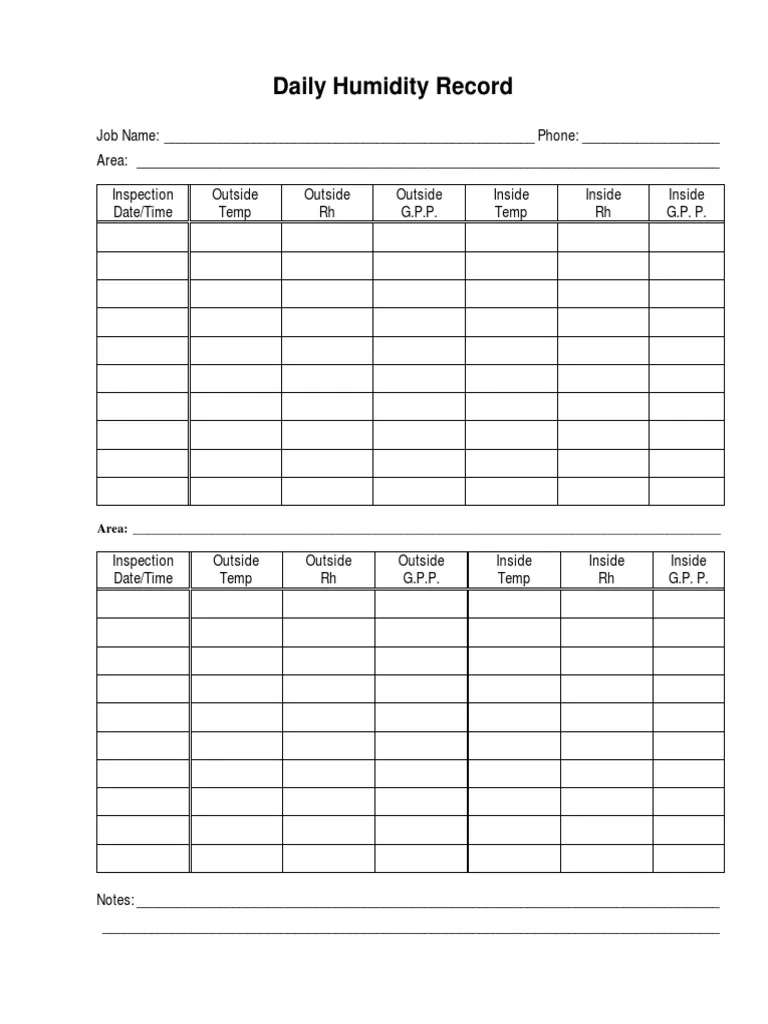
- Daily monitoring logs during structural drying with documented moisture readings at each measurement point
- Photographs at each phase including baseline conditions, work in progress, and completed sections
- Materials removed from the property documented with photographs before disposal, including counts and descriptions
- Change orders for any scope additions discovered during the work, with photographs supporting the additional damage
- Verification documentation confirming completion of each phase with measured results rather than visual assessment alone
- Supplement documentation if the restoration company files supplemental claims for additional scope discovered during work
- Warranty documentation for the completed restoration work
- Final invoice with detailed line items matching the scope of work performed
For Freeport property owners, working with a restoration company like Truvorne Roofing & Restoration that produces this level of documentation as standard practice supports better claim outcomes than working with contractors who provide minimal paperwork.
The Documents You Need for Settlement and Closure
The final phase of an insurance claim involves settlement negotiation and closure. Specific documentation supports the property owner during this phase and provides protection if disputes arise after apparent closure.
The settlement-phase documents:
- Complete claim file including all previous correspondence, reports, and documentation
- Adjuster’s final scope document with detailed line-item breakdown
- Any supplements approved or denied with reasoning provided by the carrier
- Depreciation calculations for actual cash value settlements, with methodology documented
- Payment records showing dates and amounts of all disbursements
- Release forms carefully reviewed before signing, since these often limit future claim options
- Repair verification from qualified contractors confirming work was completed to appropriate standards
- Any reconstruction warranty documentation from contractors who performed rebuilding work
- Photographs of the completed property establishing the post-restoration condition
- Personal property inventory with final compensation for each item documented
For property owners who received Actual Cash Value settlements with the option to recover depreciation upon completion of repairs, the documentation confirming repair completion is essential to accessing the additional payment. Missing this documentation window is one of the more common ways property owners leave insurance money unclaimed.
Where to Actually Keep All of This
The documentation itself is only useful if it can be found when needed. Storage practices matter as much as the documentation practices themselves.
The specific storage approaches that work:
- Cloud-based storage accessible from any device with proper security
- Multiple backup copies including at least one location physically separate from the property
- Organized folder structure with clear naming conventions that make retrieval easy under stress
- Regular backups of phone photos and communications to ensure nothing is lost when devices update or fail
- Physical documents stored in fire and water-resistant containers, ideally at a location other than the property itself
- Access sharing with a trusted family member or attorney who can access documentation if the property owner is unable to
- Regular review of stored documentation to confirm files are still accessible and complete
For Florida property owners, the storage practices matter even more because loss events like hurricanes can affect the property, cell service, and even nearby infrastructure simultaneously. Documentation stored only on devices at the property, or only in local physical form, can be lost in the same event that produces the claim.
The Documentation Advantage Compounds Over Time
The property owners who consistently receive the strongest insurance claim settlements are almost always the ones who built documentation practices before they needed them. Proactive documentation, immediate response documentation, communication records, restoration documentation, and settlement documentation all compound to produce claim outcomes that reflect the true scope of the loss. Freeport property owners who invest a modest amount of time in these practices consistently protect themselves in ways that pay significant dividends when a claim actually occurs. What documents should you save for an insurance claim? All of the ones covered here, gathered proactively where possible and reactively where necessary, organized in ways that make them retrievable when you actually need them.
Get Professional Restoration Support That Produces Insurance-Grade Documentation
The team at Truvorne Roofing & Restoration is ready to help. Contact us today to schedule professional restoration response at your Freeport, FL property with documentation practices that produce the insurance claim evidence your specific loss situation genuinely requires.