

The homeowner called us because her upstairs bathroom floor had started feeling spongy when she stepped near the toilet. She’d known there was a slow leak somewhere. She’d been meaning to get it looked at for a few months. When we pulled the flooring, the subfloor beneath the toilet had rotted through in a roughly 3-foot circle, the floor joists on either side were showing significant deterioration, and the ceiling below in her living room was one heavy rain away from failing. She asked the exact question this post title asks. Can water damage cause structural problems? Yes. And the specific mechanisms by which small water problems become structural failures are worth understanding before you’re the one standing in the situation.
What Actually Has to Happen for Water Damage to Become Structural
Structural damage from water doesn’t happen instantly. It requires specific mechanisms to progress from a small water problem to the point where load-bearing components lose their integrity. Understanding those mechanisms explains both why some water damage stays cosmetic and why some ends up requiring major structural repair.
The primary mechanisms:
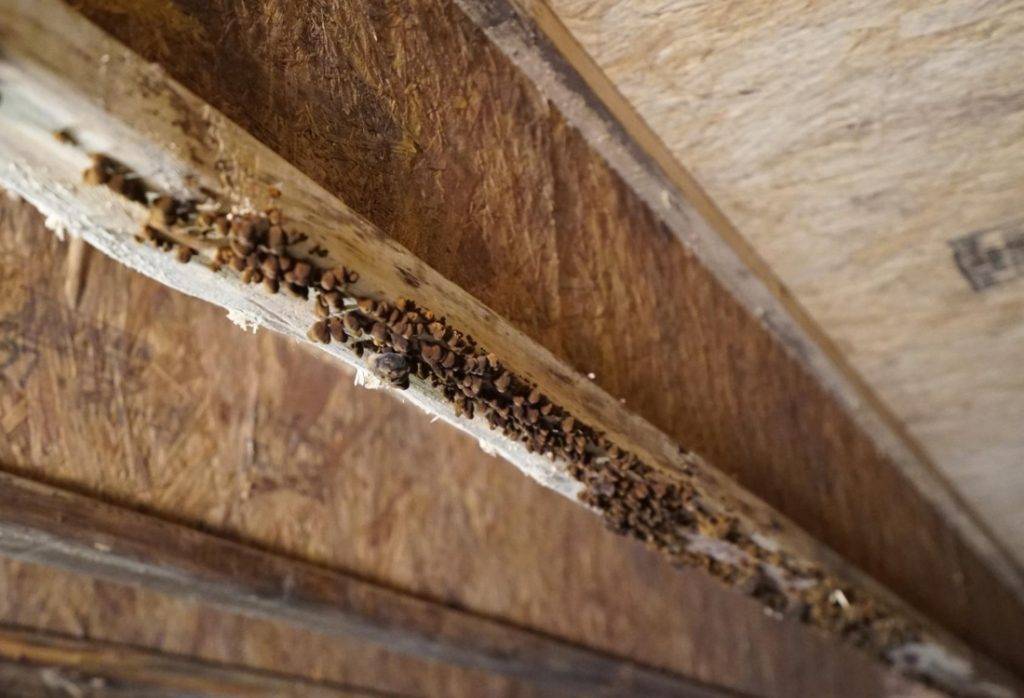
- Sustained saturation of wood components including framing lumber, subflooring, ceiling joists, and structural sheathing. Wood absorbs moisture, loses strength as its moisture content rises, and eventually develops fungal growth that consumes the wood fiber itself.
- Corrosion of metal fasteners and connectors including nails, screws, joist hangers, and structural connectors. Water accelerates corrosion, and once connectors weaken, load transfer through the structure becomes compromised.
- Softening of gypsum-based materials including drywall and joint compound. While drywall isn’t structural, its softening often signals that adjacent wood components are also affected.
- Concrete and masonry degradation in cases where water has been present long enough to affect these typically durable materials. This is less common but occurs in extended water exposure situations.
- Insulation compression and moisture retention which doesn’t cause structural failure directly but promotes the sustained moisture conditions that damage adjacent structural components.
For any of these mechanisms to progress to actual structural damage, water needs to be present in sufficient quantity for sufficient duration. Brief water exposure that gets addressed promptly rarely produces structural consequences. Sustained water exposure over weeks or months reliably produces them.
The Specific Structural Components Most Vulnerable
Different structural components fail from water damage in different ways and on different timelines. Understanding which components are most vulnerable helps property owners recognize where structural risk is most likely to develop.
The specific components in typical order of vulnerability:
- Subflooring, particularly OSB and plywood in bathroom, kitchen, and laundry areas where sustained moisture exposure is common. Subflooring saturates readily, loses structural integrity relatively quickly, and eventually cannot support loads it was designed to carry.
- Floor joists beneath saturated subflooring, which develop moisture damage as water migrates from the subfloor into the framing. Joists closer to water sources typically fail first.
- Wall plates and studs in areas affected by wall cavity moisture, particularly bottom plates in contact with wet flooring below and studs adjacent to failed plumbing.
- Ceiling joists in areas below roof leaks or plumbing failures in upper floors. Ceiling joists that have been saturated eventually deflect visibly and can fail dramatically.
- Roof decking and rafters exposed to sustained roof leaks. Roof structural components often show damage last because they’re above the water source, but sustained leaks eventually affect them significantly.
- Sill plates and rim joists in crawl space or basement construction where standing water or high humidity creates sustained exposure to structural framing at foundation level.
- Load-bearing headers and beams in cases where extended water exposure has affected these critical components. Damage here has the most severe structural implications.
For water damage restoration situations discovered early, most of these components can be dried, treated, and preserved. For situations discovered late, some components require replacement, and in severe cases, engineering assessment and structural repair become necessary.
The Timeline of How Structural Damage Actually Develops
Structural damage from water follows a fairly predictable timeline, particularly in humid climates like Florida’s Panhandle. Understanding that timeline helps property owners recognize where their specific situation sits on the progression.
The general timeline in a typical Freeport property:
- Hours to Days 1: Water present and visible. Materials beginning to absorb moisture. No structural implications yet if the source is stopped and drying begins.
- Days 2 to 7: Materials becoming saturated. Wood components losing some strength but not yet showing structural symptoms. Mold spores beginning to activate in wet materials. This is the window where prompt response prevents most structural consequences.
- Weeks 2 to 4: Sustained moisture producing wood fiber degradation. Fungal growth becoming established in wet materials. Some structural components showing early signs of weakness. This is where the trajectory shifts from recoverable to increasingly consequential.
- Months 1 to 3: Significant wood fiber degradation. Fastener corrosion becoming visible. Some structural components requiring replacement rather than treatment. Interior symptoms typically visible by this point.
- Months 3 to 12+: Advanced structural damage. Multiple components requiring replacement. Engineering assessment often needed. Some safety concerns for continued occupancy.
For homeowners in the Freeport area, this timeline typically runs faster than in drier regions. The persistent humidity throughout most of the year means saturated materials don’t dry passively the way they might in the Mountain West or Southwest. Ambient humidity keeps wet materials wet, which keeps the degradation clock running continuously rather than intermittently.
For any water damage situation that has been present more than a few weeks, professional water mitigation assessment can identify whether structural implications have developed and what specific components are affected.
The Warning Signs That Structural Damage Is Developing
Some warning signs indicate that water damage has progressed toward structural consequences even before dramatic failure occurs. Property owners who recognize these signs can address situations before they become emergencies.
The specific signs to watch for:
- Spongy or soft floors that feel different underfoot than adjacent solid areas
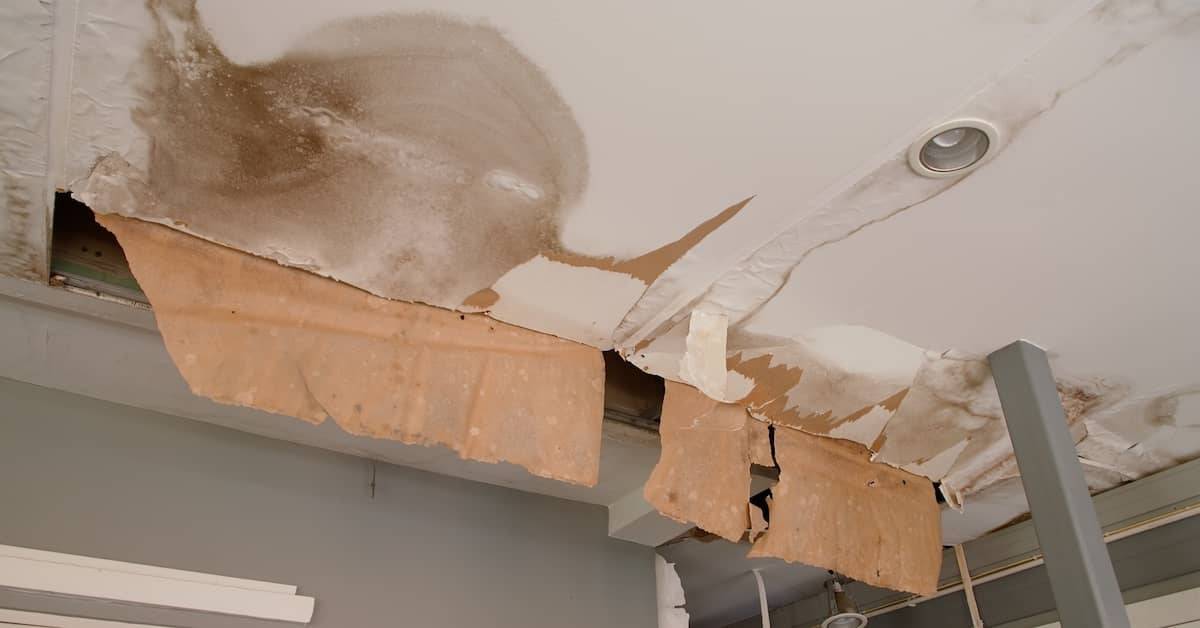
- Visible sagging in ceilings, floors, or wall surfaces
- Doors and windows that no longer operate properly, indicating structural movement
- Cracks in walls or ceilings that appear or grow in specific patterns, particularly diagonal cracks
- Bulging drywall that indicates water pressure or accumulated moisture behind the surface
- Musty or earthy smells in areas without visible water, indicating hidden moisture and possible fungal growth in structural cavities
- Visible efflorescence or white deposits on concrete or masonry surfaces
- Peeling paint or discoloration on structural surfaces including exposed framing
- Fungal growth visible on any structural component, particularly wood framing
- Insect activity particularly wood-destroying insects that thrive in moisture-affected wood
For Freeport homes with any of these signs, professional inspection identifies whether structural damage is developing and how far it has progressed. Early identification allows for targeted repair before the damage extends to additional components.
Why Florida’s Panhandle Climate Compresses Everything
The general timeline of water damage progression to structural problems applies anywhere, but Florida’s Panhandle climate specifically compresses several of the mechanisms.
The climate factors that matter:
- Sustained high humidity throughout most of the year prevents passive drying that helps water damage in drier climates resolve without progressing to structural issues
- Warm temperatures promote faster fungal growth in wet materials, accelerating the biological damage timeline
- Frequent rainfall exposes properties to sustained roof or envelope stress that would produce smaller impacts in drier regions
- Tropical weather including named storms and their remnants produce concentrated water events that saturate materials extensively
- Higher ambient moisture content in outdoor air means materials that dry to typical Florida moisture equilibrium are still holding meaningful moisture compared to materials in drier regions
- Termite and other insect pressure which is higher in Florida than in most other regions, and which is elevated further in properties with moisture-affected wood
For older Freeport homes, or homes near the Choctawhatchee Bay or River where local humidity tends to run even higher, these climate factors compound the general water damage timeline meaningfully. What might take three months to progress to structural damage in a drier region can progress in six to eight weeks in the Panhandle.
The practical implication for Freeport property owners is that the window for prompt response is genuinely shorter than the timelines you might see referenced in general water damage articles. Situations that seem manageable often aren’t, and situations that develop unnoticed progress faster than expected.
The Answer to the Question That Actually Matters
Yes, water damage can cause structural problems. But the more useful answer is that water damage causes structural problems when it goes unaddressed long enough for the specific mechanisms of wood degradation, fastener corrosion, and fungal growth to progress. Freeport property owners who address water damage promptly, when it’s discovered rather than when it’s convenient, consistently avoid the structural consequences their less prompt neighbors end up dealing with. The timeline is compressed here compared to drier regions, and the consequences are real. Understanding those specific realities is what helps homeowners make the decision to respond promptly rather than defer, and that decision is what prevents most of the structural situations we get called to assess.
Get Professional Assessment for Any Water Damage That May Have Structural Implications
The team at Truvorne Roofing & Restoration is ready to help. Contact us today to schedule a professional water damage assessment at your Freeport, FL property and identify whether structural implications are developing before the situation progresses further.