There’s a specific moment after a house fire that most homeowners never think about until they’re standing in it. The fire is out. The firefighters have finished their walk-through. The trucks are packing up. And the family is standing in their driveway looking at a house they can’t enter, don’t know what to do with, and have no framework for handling. That window between when the fire department leaves and the next 24 hours is where the trajectory of the entire recovery gets set. Fire damage restoration decisions made in that specific window shape everything that follows, and knowing what actually happens during those hours is genuinely useful before you find yourself in them.
The First 30 Minutes After the Trucks Leave
The initial period after the fire department clears the scene is disorienting for reasons homeowners don’t anticipate. The immediate crisis has passed. Adrenaline is fading. Practical realities that felt secondary during the fire are suddenly urgent.
The specific situation homeowners find themselves in:
The house is typically not enterable, either because of active safety concerns or because firefighters have advised against entry. Personal belongings, medications, phones, chargers, documents, and clothing are all inside. The homeowner may be in whatever they were wearing when the fire started, sometimes without keys or wallets. Family members and pets need shelter. Insurance carriers need to be contacted. And the property itself needs some form of protection before nightfall.
The specific actions that matter in this window:
- Confirm all family members and pets are accounted for and safe
- Contact your insurance carrier immediately to open a claim file and understand available Additional Living Expense coverage
- Arrange temporary shelter using ALE coverage if applicable, whether hotel, family, or friends
- Document initial visible damage with phone photos from safe exterior vantage points
- Do not re-enter the property until fire officials have specifically authorized it
- Begin contacting a qualified fire damage restoration company to start the emergency response process
This first period is not the time to make major decisions or engage with the recovery in depth. It’s the time to secure immediate safety, shelter, and communication. Everything else follows from those foundational steps.
The First 2 to 6 Hours: What Emergency Response Actually Involves
Once immediate safety is confirmed, the fire damage restoration emergency response begins. A qualified company arrives at the property within a few hours of the initial call and starts specific work that protects the property from additional damage during the window before full restoration can begin.
The emergency response typically includes:
- Property security including boarding up windows, doors, or wall sections damaged by fire or firefighting activity
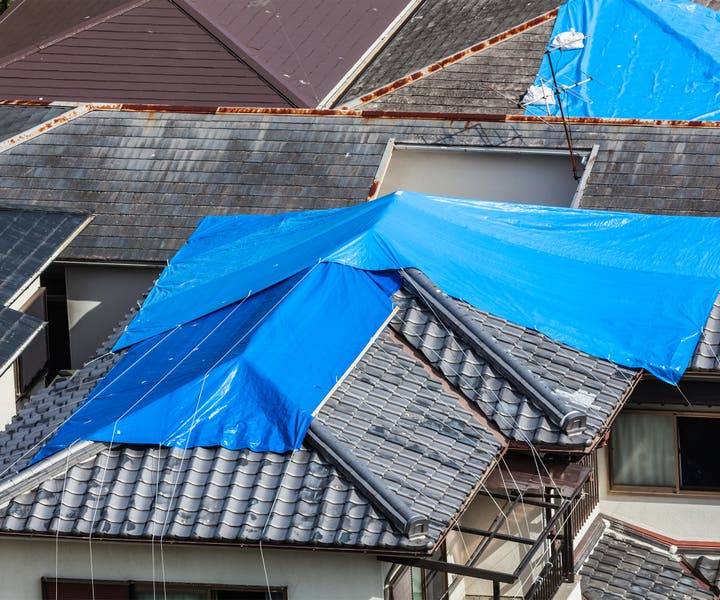
- Roof tarping where fire damage or firefighter roof-cutting has compromised the building envelope
- Immediate water extraction from areas where firefighting activity produced standing water
- Initial structural assessment to identify safety hazards that must be addressed before further access
- Utility coordination to disconnect gas, electrical, and water services as safety requires
- Content evaluation for items that need immediate stabilization to prevent additional damage
- Documentation initiation capturing baseline conditions for the insurance claim file
For Freeport properties, the water damage from firefighting is often as consequential as the fire damage itself. Modern firefighting typically deploys thousands of gallons of water. In Florida’s humid climate, that water begins producing mold conditions within 24 to 48 hours if not addressed. The emergency response phase specifically includes water damage restoration work to prevent the mold complications that would otherwise develop during the window before full restoration proceeds.
The homeowner isn’t typically expected to be on-site during this initial emergency response, though many choose to be present as they process the situation. The restoration company coordinates with fire officials, insurance representatives, and utility companies to establish the baseline for everything that follows.
The First Day: Assessment and Insurance Coordination
Within the first 24 hours, the fire damage restoration process moves from pure emergency response into assessment and insurance coordination phases. This is where the scope of the actual restoration project starts to become clear.
The assessment includes:
- Comprehensive fire damage documentation of directly burned areas, extent of damage to structural components, and material assessment for what can be preserved versus replaced
- Smoke damage mapping throughout the property, which typically extends significantly beyond the areas of visible fire damage
- Water damage assessment including moisture readings in materials affected by firefighting activity and identification of areas where mold conditions could develop
- HVAC system evaluation since smoke residues distribute through ductwork and require specific handling
- Content triage identifying items that can be cleaned and restored versus items that require replacement
- Structural safety verification confirming the property can be safely occupied by restoration crews during subsequent work phases
The insurance coordination that runs alongside the assessment includes initial adjuster contact, scope discussion, and preliminary understanding of coverage parameters. Property owners working with a fire damage restoration company experienced in insurance claim documentation see significant benefits during this coordination. The documentation format and completeness affects settlement outcomes meaningfully.
For Freeport homeowners, understanding that ALE coverage typically covers hotel and living expenses while the property is uninhabitable provides some financial breathing room during this challenging period. Policy specifics vary, but most standard Florida homeowner policies include this coverage for exactly these situations.
The Decisions That Actually Shape the Recovery
The first 24 hours after firefighters leave includes several specific decisions that affect the entire trajectory of the recovery. Property owners who understand what these decisions are can make them thoughtfully rather than under crisis pressure.
The key decisions during this window:
- Which restoration company to engage. This is the most consequential single decision, since the company handling the emergency response typically continues through the full restoration project. Verifying credentials before authorizing work matters even in emergency situations.
- Whether to consolidate all restoration work with one company or split between multiple contractors. Consolidated projects with a company handling both mitigation and reconstruction typically produce cleaner outcomes than fragmented approaches.
- How aggressively to pursue content restoration versus replacement. Some contents can be restored economically while others make more sense to replace. Early decisions here affect the total project scope.
- What temporary living arrangement to establish. ALE coverage typically supports hotel stays initially, but for longer restoration projects, extended-stay arrangements or short-term rentals may be more comfortable and cost-effective.
- How to handle work responsibilities and daily life. Fire damage restoration projects typically run six weeks to several months. Establishing sustainable patterns during that period matters for the family’s wellbeing.
The pressure to make these decisions quickly is real, but the pressure to make them well matters more. A restoration company that understands the transition window well will provide guidance during this period rather than pushing for signed contracts before the property owner has processed the situation.
What Happens Beyond the First Day
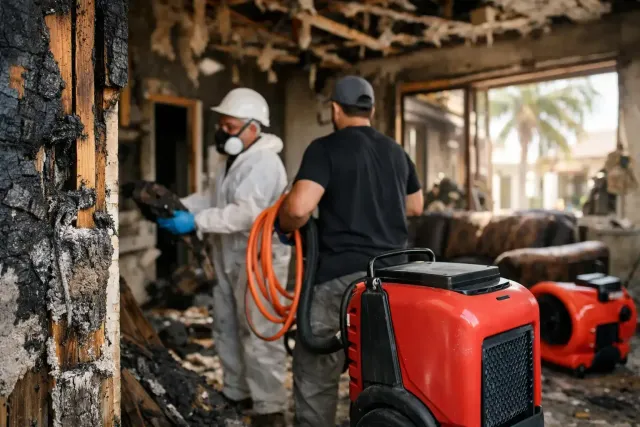
The fire damage restoration project extends well beyond the first 24 hours, but the framework established during that window carries through the entire process. Understanding the general shape of what comes next helps property owners set realistic expectations.
The typical fire damage restoration timeline:
- Days 1 through 5: Emergency response completion, comprehensive assessment, insurance scope confirmation, content pack-out for restoration processing
- Days 5 through 21: Structural demolition of unsalvageable materials, smoke residue removal from remaining structural components, HVAC system cleaning, initial mold prevention work
- Days 21 through 45: Deodorization treatments including thermal fogging and ozone treatment, structural cleaning of all smoke-affected surfaces
- Days 45 through 90+: Reconstruction including new drywall, insulation, flooring, painting, and any specialty work needed to restore the property
For most Freeport fire damage situations, the total project runs between six weeks and four months depending on scope. Working with a company that provides full-service restoration capability produces cleaner project continuity than coordinating separate contractors for different phases.
For older Freeport homes or vacation properties in the Panhandle, additional complications can extend the timeline. Code upgrade requirements triggered by major reconstruction, insurance coordination for extensive claims, and the specific challenges of restoring properties in Florida’s climate all affect the schedule. Realistic timeline expectations set during the first 24-hour window help property owners plan appropriately for the recovery period.
The Window That Matters More Than the Weeks That Follow
Fire damage restoration ultimately unfolds over months, but the window between when the fire department leaves and the next 24 hours is where the recovery trajectory actually gets set. Property owners who understand what happens during that specific window, work with qualified restoration professionals from the start, coordinate promptly with insurance, and make foundational decisions thoughtfully consistently see meaningfully better outcomes than those who make crisis-driven decisions and try to correct them later. That understanding, built before you find yourself in the situation, is what turns an overwhelming experience into a manageable recovery.
Get Fire Damage Restoration Response That Actually Handles the Transition Window Well
The team at Truvorne Roofing & Restoration is ready to help. Contact us today to reach 24/7 fire damage restoration response for your Freeport, FL property with the emergency capability, insurance coordination, and full-service continuity that the critical transition window genuinely requires.