

A homeowner near Four Mile Village called us in July because she’d found mold growing on her bedroom wall roughly five months after a plumbing leak she’d had properly repaired in February. Her plumber had fixed the leak completely. A restoration crew had dried the visible damage. She’d repainted the affected wall. By March the situation looked resolved. By July mold was reappearing on the same wall in a pattern that suggested the problem had never actually gone away. She wanted to know how mold could keep growing when the water source had been fixed months earlier. Her situation isn’t unusual, and understanding why mold continues growing long after a water leak is fixed is what separates the Freeport homeowners who resolve mold permanently from those who treat the symptoms repeatedly without ever fixing the actual conditions.
The Mold Growth Requirements That Matter
Mold needs specific conditions to grow. Fixing a water leak sometimes removes those conditions and sometimes doesn’t, depending on what happened during the leak and how thoroughly the resulting moisture was addressed.
The specific conditions mold requires to grow:
- Moisture at levels sustained enough to support biological activity
- Organic material that mold can feed on, which includes most building materials
- Temperature in the range mold tolerates, which covers typical indoor temperatures
- Oxygen which is present everywhere mold grows indoors
- Time for colonies to establish and become visible
The critical factor in the “why does mold keep growing” question is almost always moisture. Mold spores are present in all indoor environments. Organic material exists throughout any building. Temperature and oxygen are present. The variable that changes is whether sustained moisture conditions support growth or whether materials are dry enough to prevent it.
When a water leak gets fixed but mold continues growing, the moisture condition supporting the growth hasn’t actually been resolved even though the original source was stopped. Understanding where that persistent moisture comes from is the key to actually fixing the problem.
Why Fixing the Leak Doesn’t Automatically Fix the Moisture
The specific mechanisms by which moisture persists after a leak is fixed produce the pattern homeowners experience as “mold keeps coming back.”
The specific moisture persistence mechanisms:
- Materials saturated during the leak that weren’t fully dried continue holding moisture at levels supporting growth for weeks or months
- Hidden pockets of water behind walls, under flooring, or in insulation that never got dried because they weren’t identified during the initial response
- Wicking from adjacent materials where moisture migrates from one material into another over time, sustaining growth in areas away from the original leak
- Vapor migration through materials that weren’t properly dried, continuing to deposit moisture into other spaces
- Secondary condensation forming on cooler surfaces when humidity from the drying materials encounters temperature differentials
- Ambient humidity effects where Freeport’s naturally high humidity keeps marginally dried materials from reaching safe moisture thresholds
- Latent damage to vapor barriers, insulation, or structural components that affects how the space handles ongoing moisture
- HVAC distribution of moisture-laden air from affected areas to otherwise unaffected spaces, seeding growth in new locations
For the Four Mile Village homeowner, the mechanism was specifically the second one in that list. Her plumbing leak had been in a wall cavity, and the restoration crew had dried the visible surfaces but hadn’t identified or addressed moisture that had wicked into the wall insulation and sheathing behind the drywall. Those materials had never properly dried. They’d remained at moisture levels supporting mold growth for the five months between repair and visible mold recurrence.
For mold removal situations where the pattern suggests persistent moisture rather than a new water event, the actual fix requires identifying and addressing wherever moisture is still being sustained.
The Hidden Moisture Conditions That Freeport Properties Produce
Florida Panhandle properties have specific characteristics that produce hidden moisture conditions more readily than drier climates. Understanding these factors helps homeowners recognize why Freeport mold situations behave differently than mold in other regions.
The specific Freeport factors:
- Sustained outdoor humidity that keeps indoor materials from drying passively the way they would in drier climates
- Warm temperatures year-round that keep mold activity rates elevated continuously
- Older building stock in parts of the area that often has limited insulation and vapor barrier infrastructure
- Slab-on-grade construction common in some neighborhoods that produces specific moisture migration patterns
- Coastal salt air exposure affecting some materials and the chemistry of certain growth conditions
- AC condensate systems running at high volumes during long cooling seasons
- HVAC ductwork often running through humid attic spaces where temperature differentials produce condensation
- Historical water events from tropical weather or seasonal flooding that may have affected materials months or years before current mold concerns
For older Freeport homes or properties near Choctawhatchee Bay or similar waterfront, these factors compound in ways that make hidden moisture particularly persistent. A property that would resolve mold conditions within weeks in a drier climate may sustain them for months in the Panhandle without active intervention.
For Freeport property owners dealing with recurring mold after apparent leak repair, the moisture investigation needs to go further than it would in less humid regions. What looks like a resolved situation often isn’t.
How to Actually Identify Where Hidden Moisture Is
Professional moisture assessment uses specific tools and techniques to identify moisture that isn’t visible from surface inspection. Understanding what competent assessment looks like helps homeowners evaluate whether their specific situation has been properly diagnosed.
The specific assessment approaches:
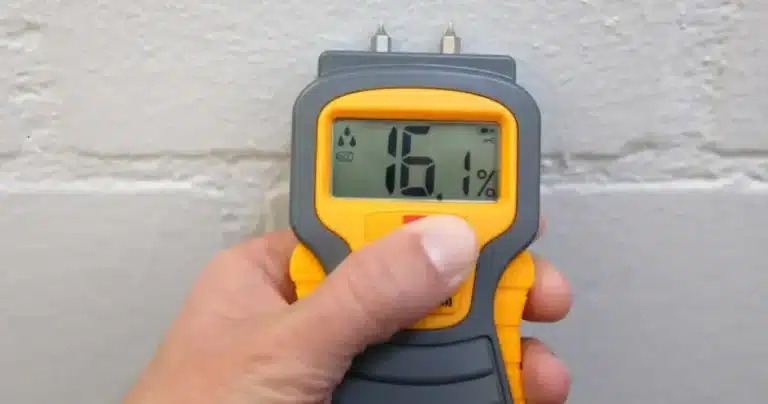
- Moisture meter readings at every building component in affected areas, with calibrated meters appropriate to each material type
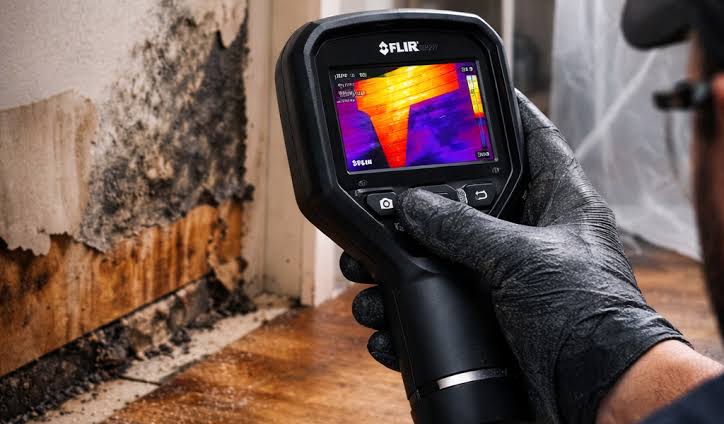
- Thermal imaging to identify temperature variations that indicate hidden moisture in walls, ceilings, or floors
- Cavity inspection through small access points to directly observe materials inside wall or ceiling assemblies
- Humidity monitoring in affected spaces to track whether conditions remain within normal ranges
- HVAC system assessment including evaporator coils, condensate pans, and ductwork for any contamination
- Attic inspection for signs of condensation, insulation damage, or vapor barrier failures
- Crawl space inspection where applicable for standing water, elevated humidity, or structural moisture damage
- Air sampling in specific cases where airborne mold levels need quantification
For water damage restoration situations where mold has returned after apparent resolution, this level of assessment identifies what the initial response missed. The Four Mile Village homeowner’s situation was identified through thermal imaging that showed moisture in her wall cavity extending well beyond the originally repaired area.
For Freeport property owners dealing with recurring mold, this assessment typically costs $300 to $600 and produces the documented understanding needed to actually fix the underlying problem rather than treating symptoms repeatedly.
What Actually Resolves the Situation Permanently
Once hidden moisture is identified, the specific actions that resolve persistent mold situations permanently involve addressing both the moisture source and the materials that have been affected.
The specific resolution approaches:
- Identify and eliminate the moisture source whether that’s residual saturation, ongoing wicking, condensation, or any other mechanism
- Remove materials beyond saving including drywall, insulation, or other porous materials with established mold growth or sustained moisture
- Dry remaining materials to verified safe moisture content levels using appropriate equipment
- Treat affected surfaces with appropriate antimicrobial products matched to the specific situation
- Rebuild with proper materials and installation practices that prevent future moisture problems
- Address underlying conditions including ventilation, HVAC issues, or other factors contributing to the original problem
- Document the completed work with photographs, moisture readings, and warranty information
- Follow up at appropriate intervals to verify the resolution actually held
For the Four Mile Village homeowner, resolution required opening her wall cavity, removing saturated insulation that had been sustaining the mold, drying the structural components to verified safe moisture levels, treating the affected surfaces, and rebuilding with new materials. The project ran 4 days and cost approximately $3,100. The mold has not returned in the subsequent 18 months because the actual moisture condition sustaining it was finally addressed.
For Freeport property owners dealing with persistent mold situations, this comprehensive resolution approach produces outcomes that hold up. Treatments that address only the visible mold without resolving the moisture conditions sustain the recurring pattern indefinitely.
The Pattern That Actually Resolves Rather Than Recurs
Mold continues growing long after a water leak is fixed because the moisture conditions supporting growth often persist even after the original water source is stopped. Freeport’s climate makes this pattern particularly common, with hidden moisture in wall cavities, insulation, and other concealed spaces sustaining growth that recurs on visible surfaces months after apparent resolution. Property owners who understand this mechanism, pursue comprehensive moisture assessment rather than surface-only treatment, and address both the moisture source and the affected materials consistently resolve mold situations permanently rather than treating recurring symptoms. The Four Mile Village homeowner’s five months of apparent resolution followed by recurring mold is the pattern that produces lasting frustration until the underlying mechanism is understood and the actual fix is applied.
Get Persistent Mold Resolved Properly at Your Freeport Property
The team at Truvorne Roofing & Restoration is ready to help. Contact us today to schedule a professional moisture and mold assessment at your Freeport, FL property with the comprehensive diagnostic approach that identifies the actual conditions sustaining growth rather than treating recurring symptoms.