

A homeowner in Freeport called last September about a ceiling stain that had been sitting in her hallway since July. She’d noticed it after a heavy thunderstorm and figured she’d deal with it if it got worse. It didn’t seem to. Two months later, it did. What started as a $400 roof flashing repair ended up costing her closer to $6,800 by the time the mold in the ceiling assembly, the compromised insulation, and the drywall replacement all got added to the bill. That gap between the $400 and the $6,800 is what “hidden costs of delaying water damage repairs” actually means. It’s not a vague warning. It’s a specific chain of mechanisms that compound over weeks, and understanding them changes how homeowners think about the small signals they’d otherwise ignore.
Days One Through Seven: The Cost Is Still Small
In the first week after water damage develops, the situation is usually cheapest to address. This is the window most homeowners waste.
The scope in the first week typically includes only what’s visible. A small ceiling stain. A minor drip. A single wet spot on the floor. If the source is identified and stopped promptly, and the affected materials dry within 48 hours, the repair often costs a few hundred dollars. Roof flashing sealed. Pipe boot replaced. Small area of drywall dried in place.
The specific first-week costs when handled promptly:
- Source repair: $150 to $600 depending on cause
- Affected material drying: often no additional cost if caught within 48 hours
- Documentation and inspection: typically free with the repair
- Minor drywall or paint touchup: $100 to $300
In Freeport’s climate, the 48-hour window is real and short. The high humidity that dominates most of the year means saturated materials don’t dry passively. By the end of the first week, if the moisture is still present, the cost picture starts changing.
Days Seven Through Twenty-One: Where the First Hidden Cost Appears
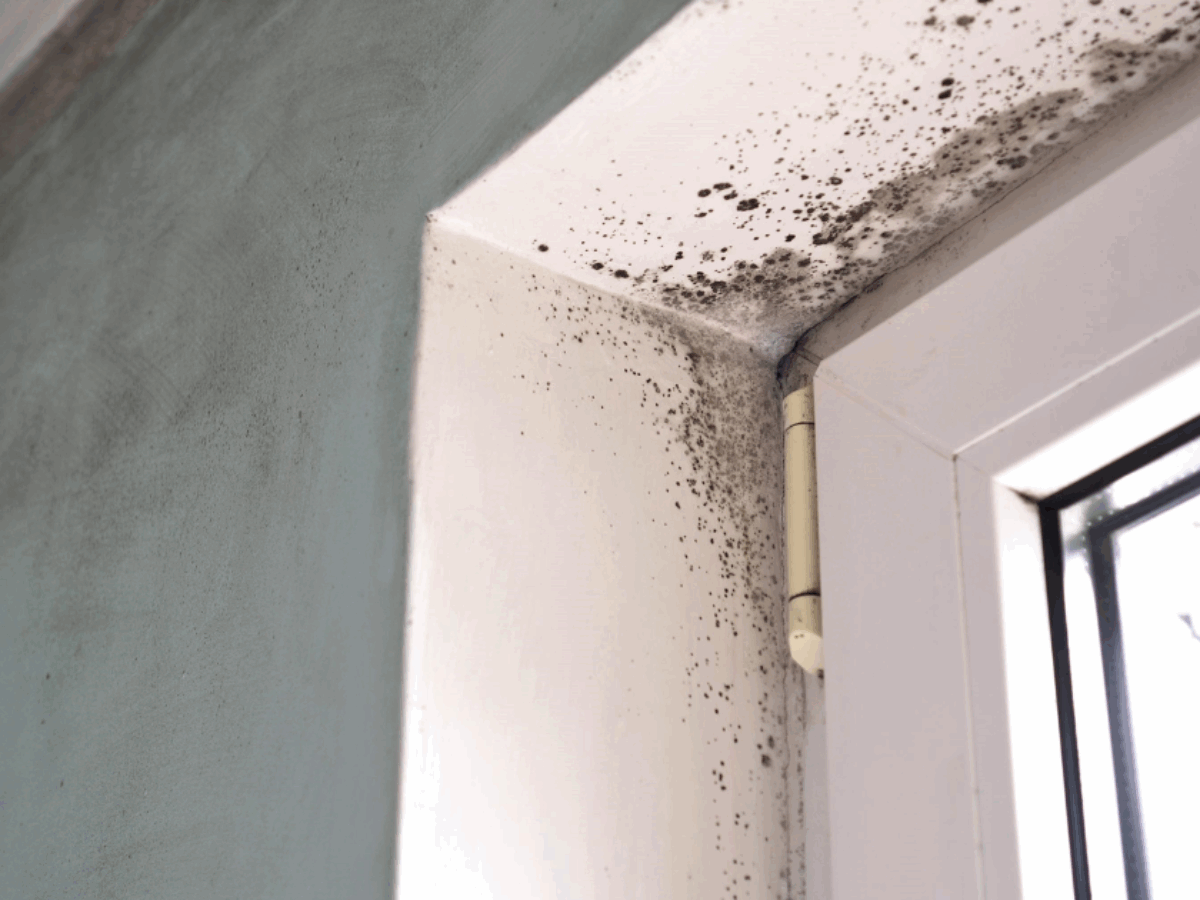
Between one and three weeks, delayed water damage stops being a source-fix situation and becomes a mold situation. This is the first hidden cost that catches homeowners by surprise.
The Florida Panhandle climate accelerates mold development compared to drier regions. Sustained humidity, warm interior temperatures, and the organic material in drywall, insulation, and framing create conditions where mold can establish colonies within 48 to 72 hours in saturated materials. By two weeks, visible mold growth is common. By three weeks, the mold has typically penetrated deep enough into materials that surface cleaning cannot address it.
Adding mold to the scope of a water damage project changes the cost structure significantly:
- Containment setup: $400 to $1,200 depending on affected area
- Material removal and disposal: $500 to $2,500 for materials that can no longer be dried in place
- Antimicrobial treatment: $300 to $1,500 for affected surfaces
- Air quality testing: $300 to $700 if verification is needed
- HEPA vacuuming and cleaning: $200 to $800 depending on scope
The $400 flashing repair from week one is now a $2,500 to $5,000 mold remediation and water restoration project. The source repair hasn’t gotten any harder. The problem is everything the moisture has been doing while waiting to be addressed.
Days Twenty-One Through Sixty: Structural Costs Start Compounding
Between three and eight weeks, delayed water damage moves from mold territory into structural territory. This is where the costs stop being manageable for most homeowners and start becoming genuinely painful.
The structural mechanisms that compound during this phase:
Wood framing that has been sustained wet begins losing structural integrity. Subflooring absorbs moisture that spreads through the underlying framing. Ceiling joists in areas affected by roof leaks develop rot conditions in the wood. Wall studs behind saturated drywall start showing signs of deterioration.
Insulation loses its performance. Fiberglass batts that got wet stay compressed and never return to their original loft. Blown insulation clumps and settles unevenly. Spray foam that got saturated separates from the surrounding materials. The R-value in affected areas drops significantly, which shows up on utility bills through elevated cooling costs during Freeport’s long cooling season.
HVAC systems get pulled into the scope. Ductwork in affected areas may have absorbed moisture. Cooling coils and drain pans in air handlers can develop biological growth. The system that was pushing conditioned air becomes a system distributing whatever’s growing in it throughout the property.
At this stage, the cost picture typically looks like:
- Structural repairs: $1,500 to $8,000 depending on scope
- Insulation replacement: $600 to $3,000 for affected areas
- HVAC assessment and remediation: $500 to $4,000 if system involvement is confirmed
- Reconstruction work: $2,000 to $10,000+ for drywall, flooring, painting, and finish work
The original small water problem, if it had been handled in week one, would have cost a few hundred dollars. At the six-to-eight-week mark, the same underlying issue has now produced a project running into five figures. That’s the hidden cost that homeowners rarely see coming until they’re standing in it.
Beyond Sixty Days: The Costs You Can’t Reverse
Some costs of delayed water damage don’t show up on the repair invoice at all. They show up in ways that affect the property’s long-term value, insurance situation, and marketability.
Insurance coverage becomes complicated. Most Florida homeowner policies include specific provisions about the duty to mitigate damage promptly. When claims involve damage that clearly developed over weeks or months rather than as a sudden event, carriers frequently reduce coverage or deny portions of the claim entirely. Delayed damage that could reasonably have been addressed earlier gets classified as maintenance-related rather than sudden, which changes coverage dramatically.
Property value takes a hit. Homes with documented water damage history sell for less. Real estate disclosure requirements in Florida require sellers to disclose known water damage, and the paper trail from a professional water damage restoration project produces documentation that follows the property. Handled promptly and cleanly, the record shows an isolated event professionally addressed. Handled poorly or partially, the record shows a compromised property.
Health issues surface for occupants. Extended mold exposure produces respiratory issues, allergic responses, and in some cases more serious health complications, particularly for elderly residents, children, and people with existing respiratory conditions. Freeport homes with sustained mold problems from delayed water damage repairs frequently produce these symptoms in occupants who initially attribute them to seasonal allergies or other causes.

What the Freeport Climate Adds to the Math
The general timeline above applies to water damage anywhere. What Freeport’s specific climate does is compress it.
The high humidity that defines most months in the Florida Panhandle means saturated materials don’t dry on their own. In drier regions, a small water event that gets ignored sometimes resolves itself as humidity levels drop and materials release moisture back into the air. That doesn’t happen here. The ambient humidity keeps saturated materials wet, which keeps the mold clock running.
Tropical weather adds another layer. Even outside of named storm activity, Freeport gets heavy rainfall events regularly through the wet season. A small unresolved roof issue gets tested by every subsequent rain. What might be manageable damage after one event compounds through the next event, and the next. By the time hurricane season peaks in September and October, small problems have often become large ones.
For homeowners with any evidence of active or recent water intrusion, the practical guidance is to have a professional assessment scheduled within days rather than weeks. The cost of that assessment is small. What it prevents is the cost picture described above.
The Only Water Damage Cost Curve That Stays Flat
Water damage costs follow a fairly predictable curve in Freeport. Week one is cheap. Weeks two through eight get expensive quickly. Beyond that, costs stop rising in a straight line and start including consequences that don’t show up on the invoice at all. The only version of this curve that stays flat is the one where the damage gets addressed promptly, with professional water damage restoration applied to the situation before the compounding mechanisms have time to work. That decision, made in the first days after damage becomes visible, is what actually prevents the hidden costs of delaying water damage repairs.
Address Water Damage Before the Cost Curve Bends
The team at Truvorne Roofing & Restoration is ready to help. Contact us today to schedule a professional water damage assessment at your Freeport, FL property before small signals compound into the hidden costs that turn manageable repairs into expensive projects.