Two homeowners in the same Freeport neighborhood had water damage events last October within about two weeks of each other. Same neighborhood, similar-sized homes, both caused by roof damage from the same tropical storm system. One restoration project wrapped up in 18 days. The other took 71. When people ask how long property restoration typically takes, that’s the real answer. It depends on things that aren’t obvious from the outside. Understanding what actually drives the timeline is more useful than a generic average, because averages don’t tell you where your specific project is likely to land.
What the “Typical” Timeline Actually Looks Like
Before getting into what changes the numbers, here are the general ranges most restoration projects fall into. These are starting points, not commitments.
Water damage restoration for a small, single-room event caught within the first 48 hours: five to ten days from first response to project completion. Water damage restoration for a moderate multi-room event or one caught after some delay: two to four weeks. Water damage restoration for a larger event with mold complications or Category 3 water: four to eight weeks.
Fire damage restoration for a contained event affecting one or two rooms: three to six weeks. Fire damage restoration for a larger event with significant smoke damage throughout the property: six to twelve weeks. Fire damage restoration for a substantial fire requiring major reconstruction: three to six months or longer.
Mold remediation for a small localized situation: one to two weeks. Mold remediation for a larger project involving multiple areas or HVAC contamination: three to six weeks.
Storm damage restoration varies widely based on scope. A single-issue repair like storm-driven roof damage often takes one to three weeks. A complex event affecting multiple building systems can extend for several months.
These ranges tell you the neighborhood. They don’t tell you which end of the range your specific situation lands in. That’s determined by several variables that matter more than the type of damage itself.
The Scope Variable: How Big Was the Event, Really
The first factor that changes timelines dramatically is scope, and scope is often larger than the initial visible damage suggests.
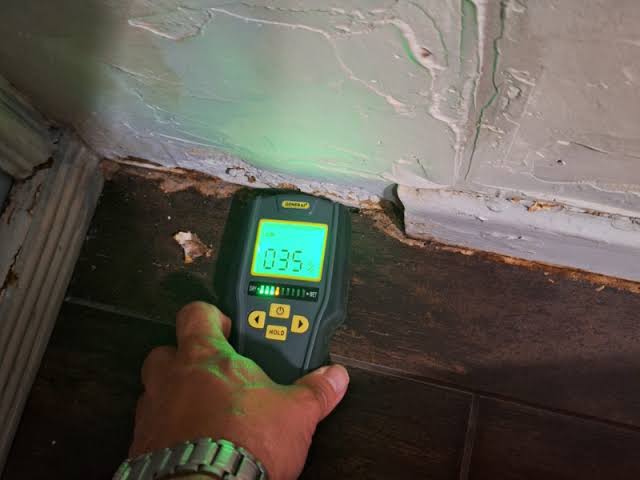
Water damage that appears to affect one room frequently extends into adjacent walls, subflooring, and ceiling assemblies through migration pathways the homeowner can’t see. A visual assessment shows the visible water. A professional water damage restoration assessment with moisture meters and thermal imaging shows the actual footprint, which is regularly two to four times larger.
Fire damage that appears contained to a single room usually involves smoke damage throughout the property. Smoke travels through HVAC systems, migrates along ceiling assemblies, and coats surfaces in rooms that never had direct fire exposure. A property owner looking at a burnt kitchen may not realize that the bedrooms upstairs have smoke residue on ceilings, walls, and personal belongings that all require treatment.
Storm damage from Florida Panhandle tropical weather often has multiple simultaneous causes. A single storm might produce roof damage, water intrusion through the damaged roof, siding damage, window failures, and downed tree damage to exterior structures. Each of these has its own restoration scope, and the project isn’t complete until all of them are addressed.
The scope variable is why professional assessment matters at the start of any project. A restoration company that identifies the full scope on day one produces a timeline you can trust. A company that discovers additional scope in week three is telling you their initial assessment missed things.
The Category Variable: What Kind of Damage Is Involved
The category of damage significantly affects the timeline, sometimes in ways that surprise property owners.
Water damage from a clean supply line break behaves differently than water damage from a sewage backup. Category 1 clean water allows in-place drying of many materials. Category 3 contaminated water requires removal of most affected porous materials, containment protocols, and antimicrobial treatments that add weeks to the timeline.
Fire damage from a small kitchen grease fire behaves differently than fire damage from a chemical or electrical fire. The residues left behind vary in what they’ll respond to, and the treatment protocols differ significantly. Some situations require multiple rounds of cleaning and deodorization before verification confirms the work is complete.
Mold situations vary based on species, extent, and location. Common household molds respond to standard remediation protocols with reasonably predictable timelines. Certain mold species require additional protocols. Mold in HVAC systems, wall cavities, or crawl spaces adds complexity that extends the schedule.
For property owners in Freeport dealing with any restoration situation, understanding the category early affects what timeline expectations are realistic. Category classification isn’t a formality. It’s the input that determines what the actual work involves.
The Climate Variable: How Florida Affects Drying
The Florida Panhandle climate factors into restoration timelines in ways that don’t affect projects in drier regions.
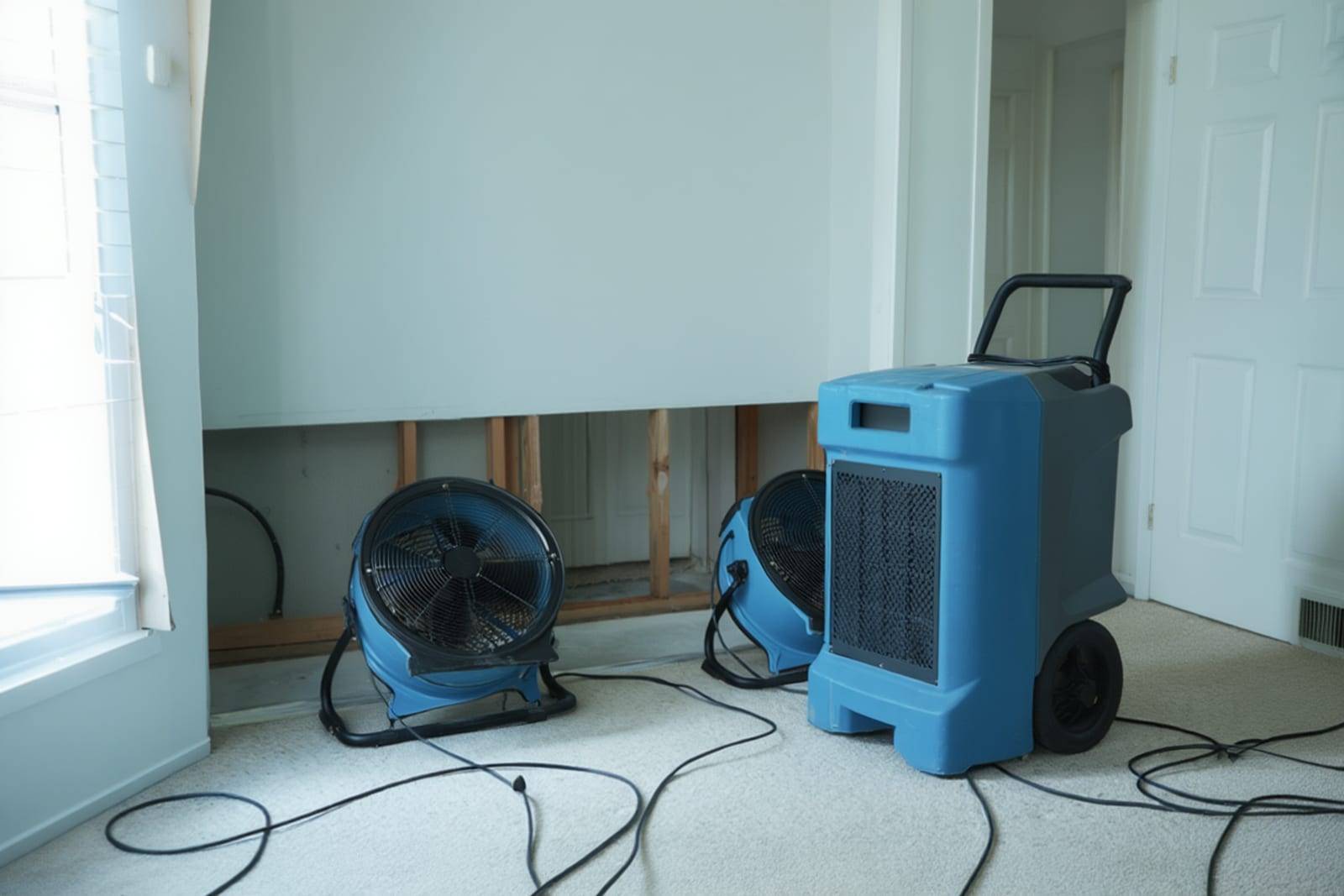
Structural drying, which is the phase of most water damage projects that involves running industrial dehumidification and air movement to bring saturated materials back to safe moisture content, typically runs three to five days. In Freeport’s humid climate, that window can extend by a day or two, particularly during summer when outdoor humidity is high enough that dehumidification equipment has to work harder to maintain the differential needed to draw moisture out of materials.
Winter drying is often faster because outdoor air is drier and cooler, which helps the equipment do its job. Summer drying is slower for the opposite reason. A restoration project that would take three weeks in October might take four weeks if the same event happened in July.
Mold prevention windows during restoration are also affected by the climate. Wet materials that would have a 72-hour window before mold becomes a concern in drier regions have a shorter window in Florida’s humidity. That compressed timeline affects how quickly materials need to be dried, treated, or removed to prevent secondary problems.
For property owners planning around restoration timelines, seasonal awareness helps set expectations. A project scheduled during the peak humidity months of July and August will generally run slightly longer than the same scope handled in cooler drier months.
The Insurance Variable: When the Claim Slows the Project
Insurance timelines routinely add days or weeks to restoration projects, and property owners are often surprised by this. The restoration work itself isn’t waiting on materials or crews. It’s waiting on claim processing steps.
The common insurance-driven delays include:
- Initial adjuster inspection scheduling, which can take three to seven days after the claim is filed
- Coverage confirmation and initial settlement offer, which typically adds another five to ten days
- Supplement processing for additional scope identified during the work, which can take another week or two per supplement
- Content pack-out authorization for personal property that needs to be removed for cleaning
- Reconstruction phase approval if the mitigation and reconstruction are handled as separate claim components
Property owners can influence some of these timelines through prompt documentation and responsive communication with their carrier. Working with a restoration company experienced in insurance claim navigation typically reduces the total insurance-driven delay because the documentation aligns with what adjusters expect and supplements get processed efficiently.
For Florida property owners specifically, insurance timelines during peak claim periods (after named storms, for example) run significantly longer than during normal periods. A water damage claim filed in the weeks after a major hurricane may face carrier processing delays that extend the entire project timeline substantially.
The Reconstruction Variable: The Phase Homeowners Underestimate
The final variable that determines total project length is reconstruction, and this is the phase most property owners underestimate when thinking about restoration timelines.
Mitigation, which is the emergency response and initial damage containment work, typically wraps up in the first week or two of a project. Reconstruction, which is putting the property back together, often takes significantly longer.
Reconstruction scope for a typical water damage project includes new drywall installation, insulation replacement, flooring repair or replacement, painting, and any specialty work like cabinetry or built-in features. For a project affecting a single room, this phase runs about one to two weeks. For a project affecting multiple rooms with significant scope, reconstruction can extend for six to twelve weeks.
Fire damage projects have particularly long reconstruction phases because the scope tends to be extensive and because Florida building codes may require upgrades to current standards during major reconstruction. A fire damage restoration project that includes structural repair, code upgrades, and finish work can extend well beyond initial timeline expectations if these dimensions aren’t accounted for upfront.
For property owners planning around restoration timelines, the practical guidance is to separate the mitigation timeline from the total project timeline in your expectations. The property will typically be safe, dry, and ready for reconstruction well before the reconstruction itself is complete.
The Timeline You Can Actually Plan Around
Property restoration timelines vary because the underlying situations vary. A homeowner asking “how long will this take” is really asking six or seven related questions about scope, category, climate, insurance, and reconstruction. The most useful answer isn’t a number pulled from an average. It’s a specific timeline built from professional assessment of the actual variables affecting your situation. Freeport property owners who get that specific answer at the start of a project can plan realistically for how the weeks will unfold, and the timeline they get is one they can actually count on.
Get a Specific Timeline for Your Property Restoration Project
The team at Truvorne Roofing & Restoration is ready to help. Contact us today to schedule a professional assessment at your Freeport, FL property and receive a specific, honest timeline built from the actual variables affecting your restoration project.