

A property manager in Freeport called an emergency line last November at 11:47 PM about a leak she’d noticed at her rental property. When the technician asked her a few clarifying questions, it turned out the leak had been present for four days. The tenant had reported it that afternoon, and the property manager had waited until nearly midnight to decide it felt urgent. That situation, which she thought was an emergency, actually wasn’t. And it’s exactly the kind of confusion property owners have all the time. The line between what counts as emergency restoration and what’s serious but can wait until morning is more specific than most people realize.
The Actual Definition Emergency Restoration Companies Use
Emergency restoration, in the industry sense, refers to situations where waiting for normal business hours would produce meaningfully worse outcomes. That’s a functional definition, not a marketing one. It has specific implications for which calls get dispatched immediately at 2 AM and which get scheduled for the following business day.
The three factors that generally define a genuine emergency:
- Active damage progression where every additional hour of delay measurably worsens the situation
- Health or safety risk to occupants that requires immediate professional response
- Insurance coverage implications where the duty to mitigate requires prompt action to preserve claim coverage
When one or more of these factors is present, the situation qualifies as emergency restoration. When none of them is present, the situation may still be serious and needs professional attention, but it’s not an emergency in the technical sense, and same-day or next-business-day response is often appropriate.
The reason this distinction matters is that emergency response consumes resources. Crews get dispatched at premium hours. Equipment gets deployed on urgent timelines. Other scheduled work gets deferred. Companies that handle emergency response seriously reserve those resources for situations that actually need them. Homeowners who understand the distinction get better service because they call at the right time for the right reasons.
The Situations That Are Genuine Emergencies
Several specific situations reliably qualify as emergency restoration regardless of the hour or day of the week.
Active water intrusion where the source hasn’t been stopped. A pipe still leaking, a supply line still spraying, or a roof still admitting water during an ongoing storm all qualify. The water damage is compounding minute by minute, and delayed response produces measurably larger scope by morning.
Sewage backups of any scope. Category 3 water carries health risks that don’t wait for business hours. Even a small sewage backup requires containment and professional handling to prevent contamination spread through the property.
Fire aftermath in the first 24 hours. Once the fire department has cleared the scene, professional smoke and fire damage restoration response protects the property from smoke residues that continue etching into materials, water damage from firefighting that promotes mold growth, and structural hazards that require immediate stabilization.
Storm damage that has exposed the building envelope. A roof torn off or partially removed, windows blown out, or exterior walls compromised requires emergency boarding, tarping, and water intrusion prevention before additional weather or wildlife access makes the situation worse.
Standing water in the property from any source. Whether from flooding, plumbing failure, or storm intrusion, standing water in Florida’s climate promotes mold development within 24 to 48 hours. Emergency water extraction and drying setup is genuinely time-sensitive.
Biohazard situations including trauma cleanup, hoarding conditions with health implications, and any situation involving biological contamination. These are always emergency response regardless of when they’re identified.
The Situations That Feel Like Emergencies But Aren’t
Several situations reliably feel like emergencies to property owners but don’t actually meet the criteria for emergency response.
A small leak that has been present for several days and is not actively progressing. Waiting until morning to call doesn’t meaningfully change the outcome, and the situation can be addressed effectively during normal business hours. The property manager who called at 11:47 PM about a four-day leak fell into this category. Her situation genuinely needed professional attention, but calling emergency dispatch at midnight didn’t produce a better outcome than calling at 8 AM the next day.
A ceiling stain that appeared during rain but isn’t actively dripping. The stain indicates a problem that needs professional assessment, but the assessment can happen during normal hours. If the roof is intact and no active intrusion is occurring, emergency response isn’t required.
Visible mold discovered in a routine inspection. Even significant mold conditions typically aren’t emergencies unless active water intrusion is producing them or someone in the property has serious health symptoms. Mold remediation is important work with defined timelines, but the mold that was discovered on Saturday doesn’t need Saturday-night response.
Storm damage that’s contained by an intact building envelope. Roof damage that hasn’t yet caused interior water intrusion is a serious situation that needs professional response, but as long as the envelope is holding, next-business-day scheduling is typically appropriate. Emergency response is warranted if additional weather is expected before normal hours resume.
Historical damage discovered during property renovation or sale preparation. The damage is old, the source is no longer active, and the situation has been stable for weeks or months. This is standard scheduled work, not emergency response.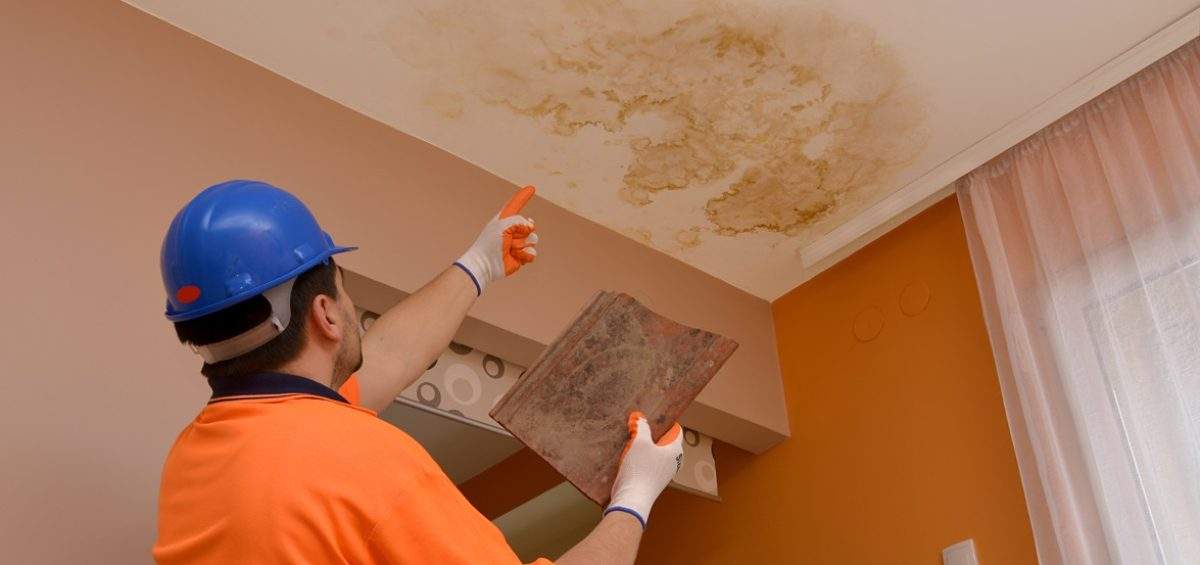
The Florida Panhandle Situations That Change the Calculation
Certain situations specific to the Freeport area and the broader Florida Panhandle shift what qualifies as emergency response.
During active tropical weather, the threshold shifts. A ceiling stain that would be a next-business-day situation during clear weather becomes an emergency if a tropical storm is producing sustained rainfall that will keep testing the compromised area. The active weather changes the calculation because damage that isn’t currently progressing may start progressing within hours.
During peak hurricane season, from August through October, emergency restoration availability tightens across the entire region. A situation that would receive prompt response during a normal week may face longer response windows if the whole area is dealing with post-storm demand. This is worth understanding when timing your call, because waiting until you’re certain the situation is serious can mean waiting longer to get service.
High-humidity conditions during summer months compress the mold clock. Water damage that would have a 48-hour window before mold becomes a concern in drier climates has a shorter window in Freeport during July and August. Situations that might not qualify as emergencies in cooler months may qualify during peak humidity because the damage is progressing faster than the calendar would suggest.
For property owners along Choctawhatchee Bay and near the Choctawhatchee River, flood water intrusion from these water bodies is always an emergency situation. The contamination level plus the moisture volume plus the timeline all point in the same direction, and any waiting produces significantly worse outcomes.
What to Ask Yourself Before Making the Emergency Call
If you’re not sure whether your situation warrants emergency restoration response, several questions produce a clearer answer.
The clarifying questions:
- Is the damage source still active? If yes, it’s likely an emergency. If no, and the situation is stable, it may be able to wait.
- Is anyone’s health or safety at immediate risk? If yes, it’s an emergency. This includes sewage exposure, smoke inhalation risk, or structural hazards.
- Will waiting until morning measurably worsen the situation? If yes, it’s an emergency. If the situation has been stable for days already, waiting a few more hours probably won’t change the outcome.
- Are you within the first 24 hours of a fire event? If yes, it’s an emergency regardless of how contained the damage looks.
- Is standing water present? If yes, it’s an emergency, particularly in Florida’s climate.
- Would the insurance carrier consider delayed response a failure of the duty to mitigate? If yes, it’s an emergency.
If you’re answering yes to any of these questions, call emergency restoration response. If you’re answering no to all of them, schedule an assessment during normal business hours instead. Either approach can be right, but they’re right for different situations.
What Emergency Restoration Companies Actually Do at 2 AM
For situations that genuinely qualify as emergency restoration, several specific actions happen quickly. Understanding what emergency response involves helps set expectations for what you’re actually asking for when you call.
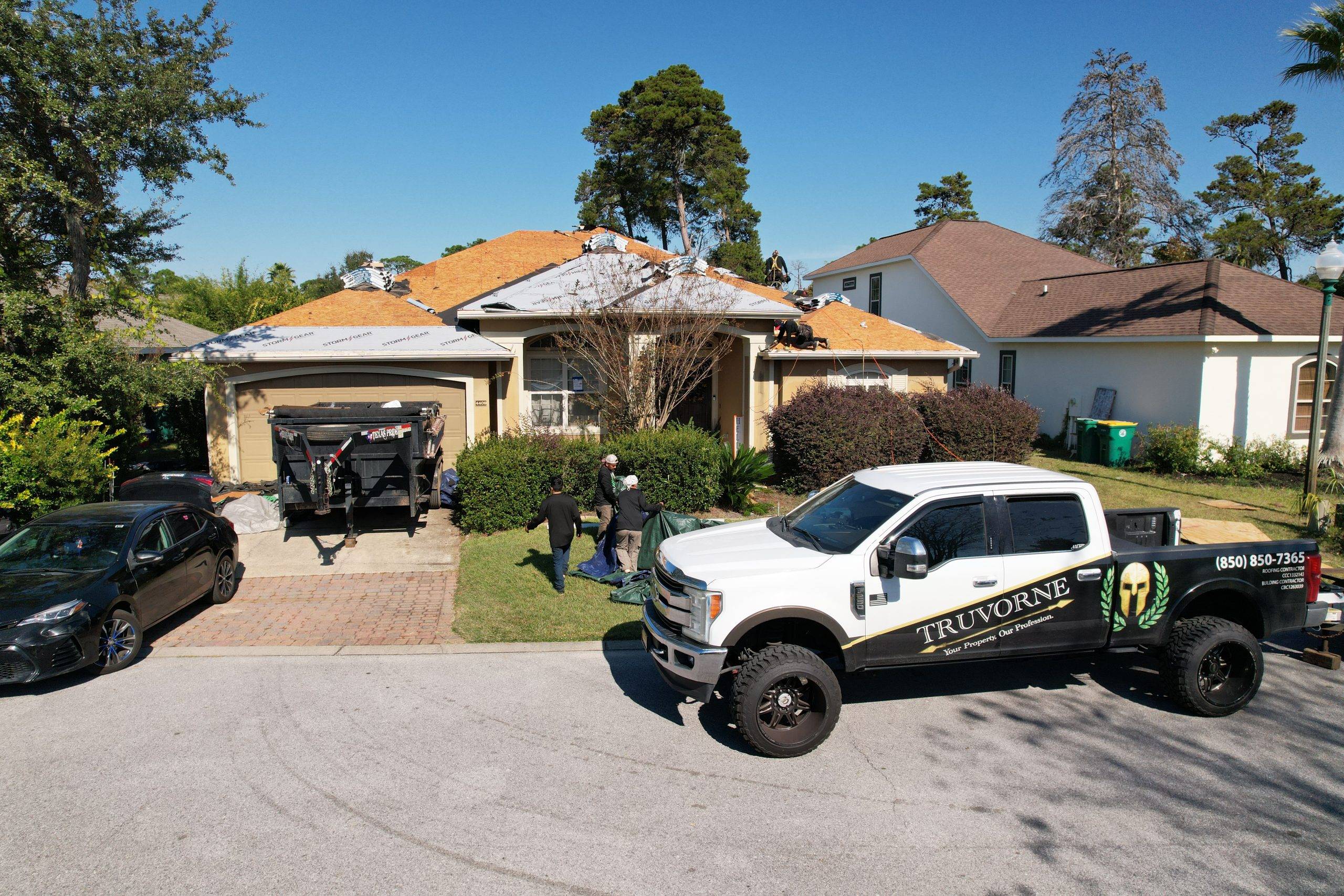
The typical emergency response includes property assessment within the first hour of arrival, source stabilization to stop active damage progression, initial water extraction if standing water is present, tarping or boarding for exposed building envelopes, containment setup for contaminated or hazardous situations, and documentation to support the eventual insurance claim.
What emergency response typically doesn’t include is complete project execution. The full restoration project continues over subsequent days and weeks. Emergency response stabilizes the situation and prevents further damage progression, then the standard restoration project proceeds with normal scheduling and timelines.
For Freeport property owners, this distinction matters because emergency response is often just the beginning of the work rather than the complete solution. A crew arriving at 2 AM to stop active water intrusion, extract standing water, and set up initial drying equipment is doing the emergency portion. The full water damage restoration project continues from there on standard timelines.
The Right Call Made at the Right Time
Emergency restoration exists to prevent situations from getting worse in ways that daytime hours can’t accommodate. Property owners who understand the distinction between genuine emergencies and situations that can wait until morning make better decisions about when to call, and they get better service because they call for the right reasons. That understanding is worth having before the situation arises, so the decision under pressure gets made from information rather than instinct.
Get Emergency Restoration Response When Your Situation Genuinely Requires It
The team at Truvorne Roofing & Restoration is ready to help. Contact us today to reach 24/7 emergency restoration response for your Freeport, FL property when the situation calls for it, and reliable scheduled service when it doesn’t.