

A homeowner off Highway 331 called us last February with a specific question about her water damage claim that her insurance adjuster had used language she didn’t understand. He’d mentioned “primary damage” and “secondary damage” and had explained that coverage for the two was different, but she hadn’t followed exactly what he meant or what the implications were for her claim. The distinction between primary and secondary damage affects both what gets covered under insurance policies and what property owners should actually expect from the restoration process. What secondary damage is, and why insurance carriers care about it specifically, reflects both the physics of how damage develops and the policy language that defines what carriers actually cover. Here’s the honest explanation that helps property owners understand what the terminology actually means for their specific situations.
What Primary Damage Actually Means
Before defining secondary damage, understanding primary damage establishes the baseline that secondary damage is defined against.
The specific primary damage characteristics:
- Direct result of the covered event including the specific water intrusion, fire, storm, or other causative incident
- Immediate damage that occurs during or immediately after the event itself
- Materials and property directly affected by the initial event
- Documented at the time of the event through initial assessment
- Causally connected to the covered peril under the insurance policy
- Clear scope that can be established through assessment at the time of the event
- Typically covered under standard policy provisions for the applicable peril
For the Highway 331 homeowner, her primary damage included the water intrusion from her failed water heater, the materials immediately contacted by that water, and the initial scope that was documentable the day the event occurred. This primary damage was clearly covered under her policy as a sudden and accidental water event.
For water damage restoration situations specifically, primary damage represents the baseline that insurance coverage typically addresses without complication. The scope is clear, the causation is established, and the coverage applies as expected.
What Secondary Damage Actually Means
Secondary damage is damage that develops after the primary event, caused by or related to the primary damage but not directly produced by the initial covered peril.
The specific secondary damage characteristics:
- Develops after the initial event rather than occurring during the event itself
- Caused by consequences of the primary damage rather than the original peril directly
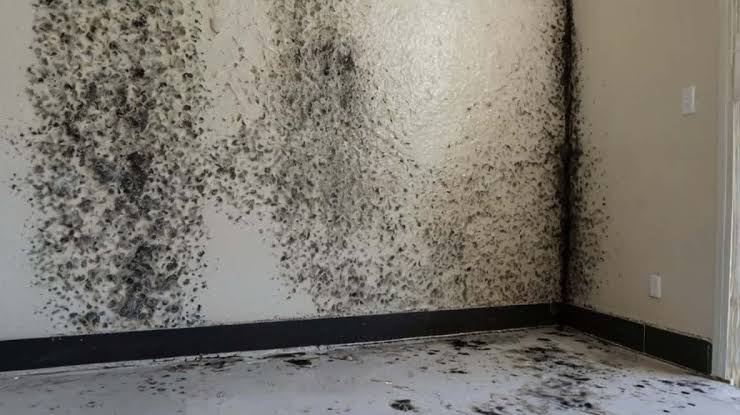
- Common examples including mold growth, structural deterioration from sustained moisture, secondary material failures, and biological contamination
- Timeline-dependent meaning the longer response is delayed, the more secondary damage typically develops
- Scope often exceeds the primary damage scope when response is significantly delayed
- Documentation requires establishing connection to the original covered event
- Coverage varies by policy, cause, and timeline considerations
For the Highway 331 homeowner, her secondary damage situation involved mold development that had begun in materials affected by her water event but had progressed over several weeks before she called for professional response. The mold itself wasn’t caused by her water heater failure. It was caused by sustained moisture conditions that developed because professional response was delayed.
For Florida Panhandle properties specifically, the humid subtropical climate accelerates secondary damage development significantly compared to drier climates. Moisture conditions that might remain stable for weeks in Arizona can produce substantial secondary damage within days in Freeport. The specific climate dimension affects both how fast secondary damage develops and how significant it typically becomes.
Why Insurance Carriers Specifically Care About the Distinction
The specific reasons insurance carriers distinguish between primary and secondary damage affect how claims are processed and what coverage actually applies.
The specific carrier concerns about secondary damage:
- Mitigation obligations that policies typically require property owners to take reasonable steps preventing damage from worsening
- Causation complexity since secondary damage requires establishing the connection to covered primary damage
- Scope expansion that can increase claim costs significantly when secondary damage is substantial
- Fraud concerns since secondary damage claims are sometimes submitted inappropriately
- Policy coverage variations including mold sublimits, specific exclusions, and conditional coverage provisions
- Timeline documentation requirements establishing when secondary damage developed relative to the primary event
- Preventability questions about whether reasonable mitigation would have prevented the secondary damage
- Precedent considerations affecting how similar claims are handled
For the Highway 331 homeowner, her insurance carrier’s distinction between primary and secondary damage affected her claim in specific ways. The primary water damage was covered without complication. The secondary mold damage required additional documentation establishing the causal connection, the mold coverage was subject to a specific sublimit lower than her overall water damage coverage, and some of the mold scope was questioned because the delay before professional response raised reasonable mitigation questions.
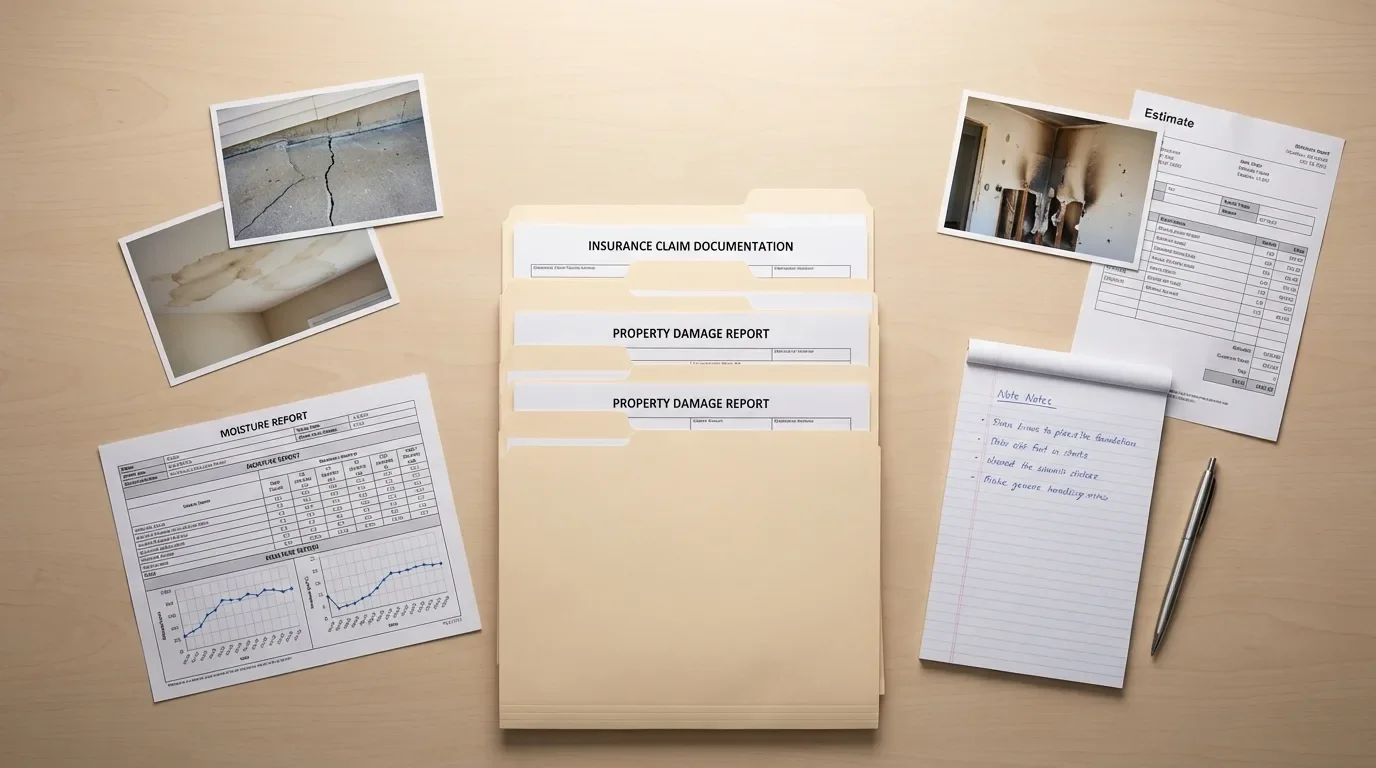
For restoration services coordinating with insurance claims, the specific documentation of primary damage, the demonstrated prompt mitigation response, and the clear connection between primary and secondary damage all matter significantly for claim outcomes.
What the Mitigation Obligation Actually Requires
Insurance policies typically include language requiring property owners to take reasonable steps preventing damage from worsening after a covered event. This mitigation obligation significantly affects secondary damage coverage.
The specific mitigation obligation elements:
- Prompt response to covered events to limit damage development
- Reasonable steps to stop or contain active damage sources
- Professional response when the situation exceeds reasonable homeowner capability
- Documentation of mitigation steps taken
- Prevention of foreseeable additional damage through appropriate response
- Reasonable timeline for professional response given the circumstances
- Communication with the carrier about the event and response steps
For property owners facing covered events, the specific mitigation obligation has practical implications. Delayed response that allows secondary damage to develop can affect coverage for that secondary damage. Prompt response that limits secondary damage protects both the property and the insurance claim.
For the Highway 331 homeowner, her situation included several weeks between the initial water event and her call for professional response. During that period, her mitigation activities included basic cleanup and some fan drying but not the systematic professional response that would have prevented the secondary mold development. Her claim ultimately resolved favorably, but the mitigation obligation question required additional documentation that would have been unnecessary with earlier professional response.
For Freeport property owners generally, understanding that mitigation obligations exist and affect coverage changes response decisions. Property owners who understand this dimension respond faster to events than property owners unaware of the obligation.
What Property Owners Should Actually Do to Protect Both Property and Claims
Beyond understanding the concept, specific property owner actions protect both the property conditions and the insurance claim outcomes.
The specific protective actions:
- Immediate professional response for any water, fire, or significant damage event beyond trivial scope
- Documentation at the time of the event with photographs and timeline notes before any cleanup
- Insurance notification promptly after the event occurs
- Mitigation step documentation including what was done, when, and by whom
- Avoiding delays that allow secondary damage conditions to develop
- Working with experienced restoration contractors who understand both the property and insurance dimensions
- Transparent communication with insurance carriers about the event, response, and discoveries
- Supporting documentation maintenance throughout the claim process
For Freeport property owners specifically, the Florida Panhandle climate makes these actions particularly important. The specific humidity conditions that accelerate secondary damage development make the response timeline critical in ways that drier climates don’t require.
For the Highway 331 situation, her favorable resolution despite the delayed response reflected the subsequent documentation and professional coordination that addressed both the primary water damage and the secondary mold damage through the appropriate claim process. Earlier response would have simplified the process significantly and reduced the overall project scope.
What Specific Secondary Damage Patterns Affect Panhandle Properties Most
Different secondary damage patterns affect different property types and situations in Freeport specifically.
The specific common secondary damage patterns:
- Mold development in sustained moisture conditions, particularly common in Panhandle climate
- Structural deterioration from water contact beyond acceptable timeframes
- Hardwood flooring damage including cupping, warping, and subfloor issues
- Drywall degradation beyond what drying can address
- Insulation damage that compromises both structural and energy performance
- HVAC contamination from moisture distribution through ductwork
- Secondary flooding from material failures that develop after primary damage
- Pest infiltration attracted to moisture-compromised materials
- Odor absorption into porous materials beyond initial exposure
- Electrical system issues developing from sustained moisture conditions
For Freeport properties specifically, mold-related secondary damage is particularly common given the humid climate. The specific response timeline for water events affects mold development dramatically. Events addressed within 24 to 48 hours of occurrence typically produce minimal mold-related secondary damage. Events addressed beyond that window typically produce mold conditions requiring their own remediation scope.
For property restoration response specifically to events with secondary damage already present, the project scope addresses both the primary damage and the secondary conditions through coordinated response. The project is larger and typically takes longer than response to primary damage alone would require.
What the Primary vs Secondary Damage Distinction Reduces To
What secondary damage is, and why insurance carriers care about it, reduces to the specific distinction between damage that occurs during the covered event versus damage that develops afterward as consequences of the initial damage. Insurance carriers distinguish between the two because policy coverage, mitigation obligations, and causation documentation differ significantly between primary and secondary damage categories. Freeport property owners who understand this distinction respond to events in ways that protect both their property and their insurance claims. The Highway 331 homeowner’s claim resolved favorably because her delayed response was addressed through subsequent professional coordination and documentation, but earlier response would have simplified her situation substantially. For every Panhandle property owner facing covered events, the specific actions that protect against secondary damage development also protect the insurance claim outcomes. The two interests align much more than they conflict.
Get Prompt Response That Prevents Secondary Damage at Your Freeport Property
The team at Truvorne Roofing & Restoration is ready to help. Contact us today for professional water damage response at your Freeport, FL property with the systematic mitigation, documentation practices, and prompt response that prevents secondary damage from developing while supporting legitimate insurance claim outcomes.